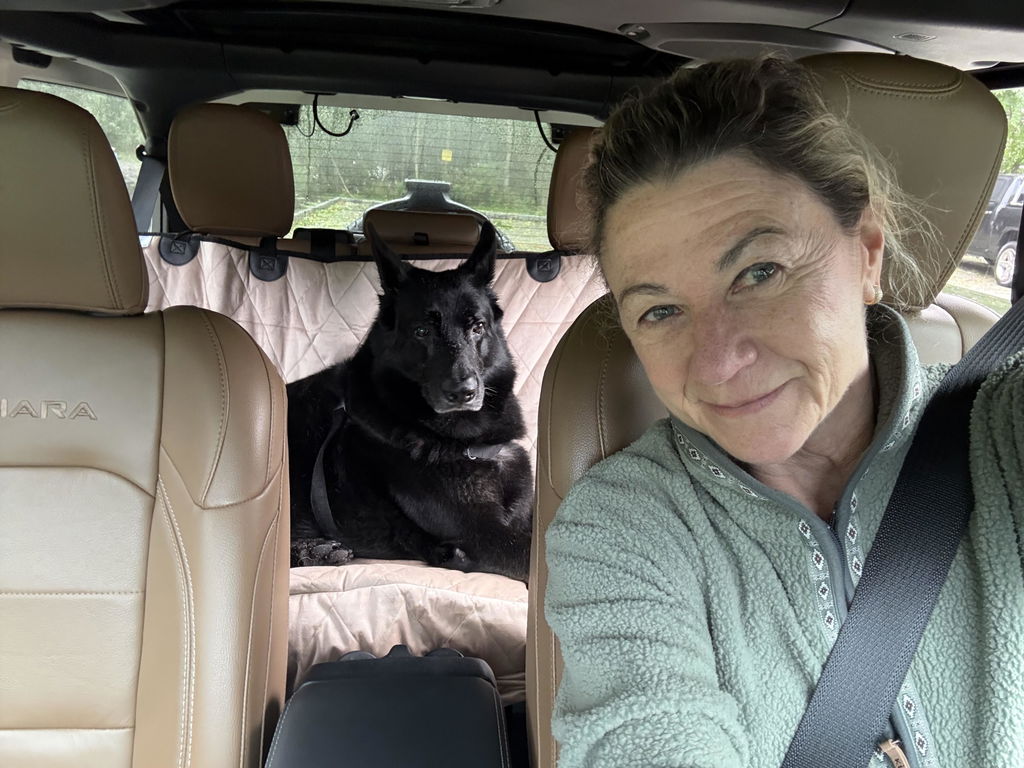

Dog breeds that shed the most usually have dense double coats that shed hair year-round, with more during seasonal coat changes. Siberian Huskies, Alaskan Malamutes, German Shepherds, Labrador Retrievers, Golden Retrievers, Akitas, Great Pyrenees, Newfoundlands, Chow Chows, and Pembroke Welsh Corgis all rank among the heavier shedders.
Why do some coats shed more than others?
A short-haired dog may leave more hair around your house than you expect. Labrador Retrievers are a good example. Their coats look simple compared with the thick fur of a Husky, but Labs still have dense double coats that release plenty of loose hair.
To understand why some dogs shed more than others, look beyond hair length and focus on the coat itself. Coat density and the presence of an undercoat make a big difference. Seasonal changes and the dog’s individual hair growth cycle matter, too.
If you’re choosing a breed, those patterns give you a clearer picture of everyday grooming and cleanup. Learning how to care for your dog’s coat also helps you build a grooming routine that fits the type of fur you’re dealing with.
Table of contents
Why do some coats shed more than others?
Why do some dogs shed so much?
10 dog breeds that shed the most
Do short-haired dogs shed less?
How to manage a heavy-shedding dog
When should you worry about shedding?
Make everyday cleanup easier with Plush Paws
Why do some dogs shed so much?
Most of the heaviest shedders have a double coat. A double coat includes a tougher outer layer of guard hairs and a softer undercoat underneath. The outer coat helps protect the skin, while the undercoat provides insulation.
As the seasons change, many double-coated dogs release more of that undercoat. The American Kennel Club's guide to dog shedding explains that thick double-coated breeds often shed year-round and tend to shed more heavily in spring and fall. That seasonal loss of undercoat often creates the dramatic tufts of fur owners call “blowing its coat”.
Breed also plays a major role in dog shedding. Some dogs grow much denser undercoats than others. Large breeds also have more coat covering their bodies, so even ordinary shedding may create a surprising amount of loose fur.
10 dog breeds that shed the most
If you’re trying to figure out what dogs shed the most, you’ll notice the same pattern throughout this list: dense coats and substantial undercoats show up again and again.
Siberian Husky
Huskies have thick double coats that help protect them in cold climates. They shed throughout the year and usually undergo more pronounced seasonal coat changes. During those periods, the loose undercoat may come out in noticeable clumps.
Alaskan Malamute
The Alaskan Malamute carries one of the densest coats on this list. Its heavy undercoat creates a large volume of loose fur when the coat changes. Regular brushing becomes especially important during seasonal shedding.
German Shepherd
German Shepherds shed steadily throughout the year. Their dense double coats also shed more heavily during seasonal periods, so owners often notice fur around the house and on vehicle upholstery, even between major coat changes.
Labrador Retriever
Labrador Retrievers show why short hair doesn’t always mean less shedding. Their dense double coats release plenty of loose fur throughout the year. Their small hairs often work into fabric, which makes them especially noticeable on couches and car seats.
Golden Retriever
Golden Retrievers have longer double coats that release loose hair throughout the year. Seasonal changes usually increase the amount. Their longer outer hair also makes shed fur easy to spot.
Akita
Akitas have thick double coats and often undergo dramatic seasonal coat blows. They may shed less noticeably between those periods than some breeds, but those heavy coat changes still produce a lot of loose fur.
Great Pyrenees
A Great Pyrenees combines a large body with a thick double coat. That combination creates plenty of loose fur. Seasonal undercoat changes add even more hair to the grooming routine.
Newfoundland
Newfoundlands have dense double coats built for protection in cold, wet conditions. Their large size adds to the amount of fur owners deal with, and regular brushing helps remove loose undercoat before it spreads around the house.
Chow Chow
Chow Chows have extremely dense coats with substantial undercoats. They shed regularly and tend to release even more hair during seasonal changes. Their thick coats also require consistent grooming to stay manageable.
Pembroke Welsh Corgi
Corgis may be small, but their shedding often surprises new owners. Their dense double coats release hair throughout the year and usually shed more heavily during seasonal changes. Regular brushing helps keep that loose fur under control, especially if you already know what to expect from Corgi shedding throughout the year.

Do short-haired dogs shed less?
Not necessarily. Hair length tells you what the coat looks like, but it doesn’t tell you how much hair the dog will shed.
Labrador Retrievers show why this misconception causes so much surprise. Their short coats still include dense undercoats, and those small hairs may settle deeply into upholstery. A longer-haired dog with a different growth cycle may leave less loose hair around the home, even though its coat looks much fuller.
When comparing breeds, pay closer attention to coat density and whether the dog has an undercoat. Those traits usually tell you more about shedding than hair length alone.
When do dogs shed the most?
Many double-coated dogs shed more heavily in spring as they lose part of their winter undercoat. Another coat change often arrives in fall as the dog prepares for cooler weather.
The timing doesn’t look identical for every dog. Indoor living and local climate may make seasonal patterns less obvious. Some heavy shedders release hair steadily throughout the year and then increase that shedding during seasonal transitions.
When people say a dog is “blowing its coat,” they mean the dog is releasing a large amount of undercoat over a shorter period. That process may look dramatic, but it often reflects normal seasonal dog shedding in double-coated breeds.
How to manage a heavy-shedding dog
You won’t stop normal shedding, but a steady routine makes the loose hair much easier to manage.
-
Brush regularly. Remove loose hair before it lands on floors or furniture. During seasonal coat changes, increase brushing as needed.
-
Choose tools for the coat. A dense undercoat needs a different approach than a short single coat. Ask a groomer or veterinarian which brush suits your dog.
-
Wash bedding often. Hair builds up quickly where your dog sleeps, so washable bedding makes routine cleanup easier.
-
Stay ahead of car hair. If your dog rides with you often, a washable dog car seat cover gives loose fur a surface that’s much easier to clean than your vehicle's upholstery.
-
Vacuum before hair works deeper into the fabric. Frequent cleanup usually takes less effort than waiting until loose hair becomes embedded.
Heavy-shedding breeds usually benefit more from a steady grooming routine than an overly complicated one. A little maintenance throughout the week usually feels easier than tackling a large buildup at once.
When should you worry about shedding?
Heavy shedding may be normal for some dogs, especially during seasonal coat changes. Pay attention to what’s typical for your dog and watch for changes from that usual pattern. If shedding suddenly becomes excessive, or you notice bald spots, irritated skin, or unusual itching, talk with your veterinarian. A noticeable change in your dog’s usual coat may point to something beyond a normal seasonal shift.
Frequently asked questions
What dogs shed the most year-round?
German Shepherds and Labrador Retrievers tend to shed hair throughout the year. Golden Retrievers and Great Pyrenees often do the same. Seasonal coat changes may further increase the amount.
What type of dog coat sheds the most?
Dense double coats usually produce the most noticeable shedding. The undercoat adds a second layer of hair, and many dogs release more of it as the seasons change.
Do short-haired dogs shed less than long-haired dogs?
No. Some short-haired dogs shed heavily because they have dense undercoats. A Lab may leave far more loose hair around the house than its short coat suggests.
Do all dogs shed?
Nearly all dogs lose some hair as part of the normal hair-growth cycle. Some breeds release so little that owners barely notice it, while heavy shedders leave much more hair behind.
Are low-shedding dogs hypoallergenic?
A dog may shed very little and still trigger allergies. Dander and saliva also carry allergens, so shedding alone doesn’t tell you how someone will react to a breed.

Make everyday cleanup easier with Plush Paws
Learning what dogs shed the most helps you know what to expect, but shedding doesn’t have to rule out a breed you love. A regular grooming routine and a little preparation go a long way toward keeping loose fur manageable.
When your dog rides with you, protecting the surfaces that collect the most hair also makes cleanup easier. Explore Plush Paws for practical travel protection, or contact Plush Paws if you need help choosing the right setup for your vehicle and your dog.