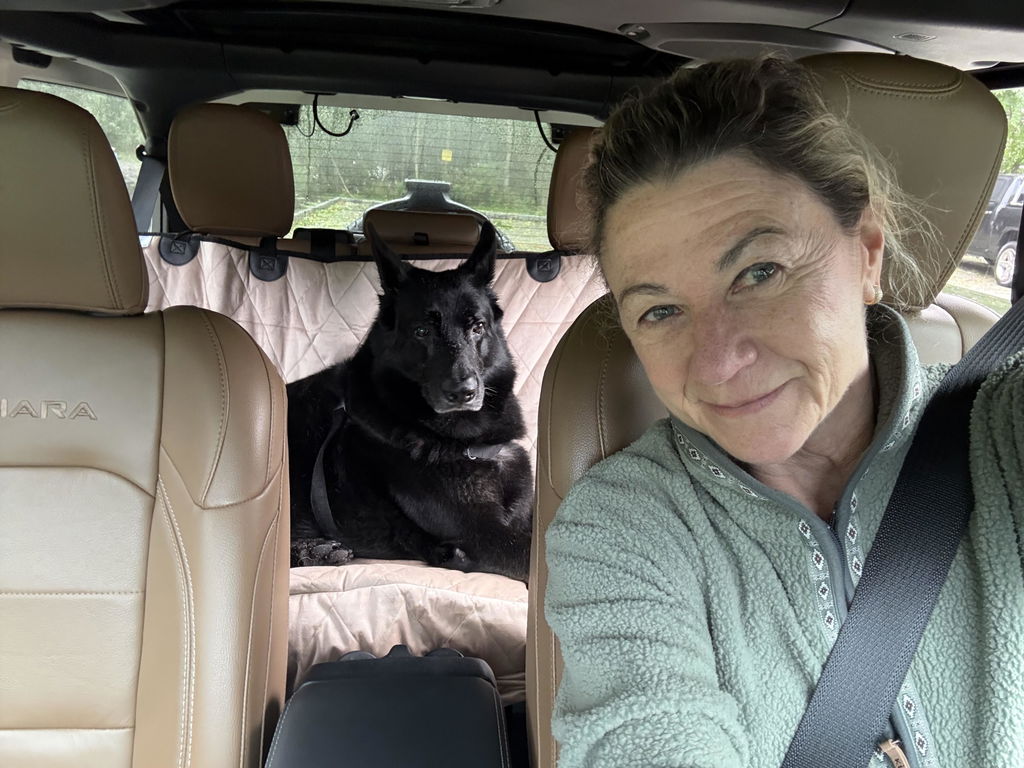

Airline travel hacks for dogs focus on reducing stress and increasing safety when traveling with pets. Key strategies include training your dog to enjoy their carrier, opting for cabin travel, verifying airline requirements, packing a pet emergency kit, and avoiding last-minute surprises. These steps make traveling with a dog on a plane smoother and more predictable.
Why airline travel with a dog doesn’t have to be stressful
Airline travel can feel overwhelming, especially when you're traveling with pets and trying to anticipate everything that could happen during the journey. Many owners worry about safety, motion sickness, paperwork, or whether their dog will stay calm in the carrier. Fortunately, with the right preparation, your dog can become the perfect travel companion.
In this guide, you’ll discover how to practically and effectively plan for airline travel with a dog — making it simpler, safer, and far less stressful. We’ll cover everything from advanced vet research to carrier training, hydration tips, direct flights, microchipping, and clear communication with your airline.
Whether you're a new pet traveler or a seasoned flyer, these expert-backed strategies will help ensure a smooth experience for you and your dog.
Table of contents
Why airline travel with a dog doesn’t have to be stressful
What airline pet travel involves
Airline travel hacks for your dog
Common mistakes to avoid when flying with a dog
Key airline pet travel statistics
Recommended tools, gear, and products
Upgrade Your Dog’s Journey With Plush Paws

What airline pet travel involves
Airline travel with a dog involves a detailed combination of preparation, planning, and clear communication with your airline. When traveling with a dog on a plane, you must understand pet documentation requirements, airline transport rules, and carrier size regulations. Each airline sets its own limits for weight, breed, carrier dimensions, and number of animals allowed per flight.
The IATA reports that incorrect carrier sizing and incomplete documentation are the most common reasons airlines deny pets boarding. Understanding these basics helps prevent last-minute stress and ensures your dog travels as safely and comfortably as possible.
Airline travel hacks for your dog
Whether it’s your first time navigating airline pet policies or you’ve flown with your dog before, the strategies below will help you avoid common pitfalls and keep your pup comfortable from takeoff to landing.
Below, you’ll find 13 essential airline travel hacks. These tips make air travel safer, simpler, and far more enjoyable for both you and your dog.
1. Research veterinarians near your destination ahead of time
Before traveling with pets, take time to locate emergency veterinarians or 24-hour animal hospitals near your destination. Accidents, stress reactions, and unexpected health issues can happen without warning, and the last thing you want is to scramble for an unfamiliar clinic during a crisis. Researching these medical resources ahead of time gives you confidence and peace of mind as you travel.
Once you identify a reliable clinic, record its address, phone number, and hours of operation. It’s also helpful to note any specialty services, such as emergency surgery or advanced diagnostics. Having these details ready ensures you can respond quickly if your dog needs urgent care, which can make all the difference in unfamiliar environments.
2. Record important vet information in multiple places
After gathering your medical contacts, store them in several easily accessible locations. Add the phone numbers and addresses to your smartphone, place a printed copy in your carry-on bag, and tuck another copy inside your dog’s carrier. This redundancy ensures you have the information even if your phone battery dies or your luggage is temporarily out of reach.
Keeping multiple copies also helps airline staff assist you more efficiently if your dog becomes distressed or ill during the flight. If you’re unable to reach your documents quickly, crew members can refer to the copy inside your pet’s carrier and contact a vet on your behalf. This small step can significantly reduce panic and expedite response times during emergencies.
3. Call the airline as early as possible
Airlines place strict limits on the number of pets allowed in an airplane cabin on each flight, and spots fill up quickly. Calling early secures a reservation for your dog and allows you to clarify airline-specific policies, including carrier dimensions, weight limits, fees, and required documentation.
Notifying the airline early also ensures your reservation notes that you’ll be traveling with a dog. This helps airline agents prepare for your arrival, review any special rules for your route, and guide you through the check-in process more smoothly. Early preparation makes flying with your dog far more predictable and stress-free.
4. Choose cabin travel whenever possible
Whenever the airline allows it, choosing cabin travel provides the safest and most comfortable experience for your dog. Cabin travel keeps your dog close, reduces anxiety, and avoids exposure to extreme temperatures or loud noises in cargo. For dogs small enough to qualify, this is almost always the preferred option for traveling with pets.
Before booking, review your airline’s policies on weight limits, carrier dimensions, and the number of pets allowed per passenger. Some airlines limit the number of cabin pets allowed per flight to a few animals. Confirming these details in advance helps you choose flights that accommodate your dog safely and in compliance with regulations.
5. Microchip your dog before your flight
A microchip provides permanent, tamper-proof identification, keeping your dog connected to you even if tags or collars fall off during travel. Many airlines, especially those operating international routes, require microchipping as part of their pet documentation process. Even on domestic flights, the microchip offers valuable protection should you and your dog become separated.
Register your microchip with up-to-date contact information before your trip. If airport staff, TSA agents, or local authorities find your dog, they can quickly scan the microchip to retrieve your contact details and expedite the reunification process. It’s one of the simplest and most effective steps you can take when traveling with your dog.
6. Prefer direct flights whenever possible
Direct flights reduce travel time, minimize stress, and eliminate the most common sources of airline complications for pets. Layovers can create opportunities for delays, carrier mishandling, temperature fluctuations, and confusion regarding animal transport rules during transfers.
If a direct flight isn’t available, try to select a route with minimal layovers or short connection times. Avoid airports known for extreme temperatures if you’re traveling during winter or summer. Strategic route planning is one of the most helpful ways to simplify traveling with pets and reduce the risks associated with airline travel.
7. Notify the captain or flight attendant once you board
After boarding, politely inform a flight attendant that you have a pet traveling with you. This ensures the crew understands there is a live animal on board, and they can monitor cabin temperature and airflow accordingly. Flight crews appreciate this communication, as it allows them to take extra precautions throughout the flight.
Additionally, if any unexpected issues arise — such as turbulence causing distress or your dog needing attention — the crew will already be aware of your situation. This advance notice makes it easier for them to respond quickly and assist you if necessary.
8. Avoid feeding your dog for six hours before travel
Feeding your dog too close to departure increases the risk of motion sickness, nausea, and digestive discomfort. Dogs often experience stress during takeoff, landing, or turbulence, and a full stomach can amplify that discomfort. Avoiding food for at least six hours before your flight helps your dog settle more comfortably.
Hydration is still important, so offer small amounts of water leading up to boarding. Many travelers use ice cubes in the water tray, which melt slowly and reduce the risk of spills inside the carrier.
9. Bring a recent photo of your dog
Carrying a recent, clear photo of your dog might seem simple, but it proves invaluable if your dog goes missing during your travels. Airline staff, airport employees, and local authorities can identify your dog far more quickly when provided with an up-to-date photograph.
Keep one photo inside your dog’s carrier and another in your carry-on or wallet. Some pet travelers even store a third digital copy on their phone for quick sharing. These small redundancies help ensure you're prepared for the unexpected when traveling with pets.
10. Spend at least a month training your dog to love the carrier
Carrier training is one of the most effective hacks for reducing stress for airline travel with a dog. Dogs that feel safe inside their carrier are far more likely to relax during the journey. Start by leaving the carrier open in your home so your dog can sniff, explore, and nap inside. Use treats and positive reinforcement to build positive associations.
Over several weeks, gradually zip the carrier closed, carry it around the house, and simulate the gentle movements your dog may feel during flight. This slow, steady introduction helps your dog view the carrier as a familiar and comforting space, not a source of anxiety.
11. Choose an airline-approved carrier with proper ventilation
Not all carriers meet airline standards, so it’s crucial to choose one that complies with your airline’s specific requirements. Look for carriers with sturdy construction, breathable mesh panels, and leakproof bottoms. Adequate ventilation keeps your dog cool, reduces odors, and promotes consistent airflow during the flight.
12. Pack a small emergency travel kit
A well-packed emergency travel kit can make challenging situations far easier to manage. Include essentials such as vet records, a slip leash, pee pads, a collapsible water bowl, and a small towel. These items help you stay prepared for delays, sudden messes, or unexpected changes in your travel schedule.
You may also include a calming aid approved by your veterinarian, especially if your dog is prone to anxiety. Having these supplies on hand ensures that you can respond quickly and confidently to minor inconveniences or disruptions. Preparation reduces stress for both you and your dog.
13. Prioritize your dog’s comfort and safety throughout the journey
Comfort begins long before you reach the airport. Maintain familiar routines on flight day, including regular exercise and bathroom breaks. Calming sprays, pheromone wipes, or your dog’s favorite blanket can create a sense of normalcy inside the carrier. These small touches go a long way toward keeping your dog calm.
When traveling with a dog on a plane, remember that a tired dog is a relaxed dog. Give your dog plenty of physical activity before the flight to help reduce restlessness in the air. Staying attentive to your dog’s needs throughout the journey ensures a safer, smoother, and more enjoyable travel experience for both of you.

Why these travel hacks matter
Using these airline travel hacks helps you:
-
Reduce the stress of traveling with pets
-
Prevent common airline pet complications
-
Ensure safety during turbulence and boarding
-
Increase your dog’s comfort inside the carrier
-
Navigate airline pet policies with confidence
-
Avoid delays or denied boarding due to paperwork issues
Prepared travelers experience smoother, safer journeys — and so do their dogs.
Common mistakes to avoid when flying with a dog
Avoid the following common errors:
-
Failing to confirm airline pet policies early
-
Using carriers that don’t meet airline size rules
-
Feeding your dog too close to departure
-
Not labeling carriers clearly
-
Skipping microchipping
-
Ignoring temperature conditions during summer or winter travel
-
Assuming all airlines allow pets in the airplane cabin
Learning these pitfalls ensures fewer surprises at the airport.
Key airline pet travel statistics
-
The U.S. Department of Transportation recorded 13 pet-related incidents on U.S. airlines in 2024.
-
52.2% of microchipped dogs were returned to their owners, compared with 21.9% of non-microchipped dogs.
-
The AVMA states that brachycephalic breeds face significantly higher risks of breathing difficulties during air travel.
-
Veterinary emergency research shows dogs face increased heat-related illness risks at temperatures above 85°F.
Recommended tools, gear, and products
-
Airline-approved pet carrier
-
Leakproof pee pads
-
Calming pheromone spray
-
Portable water bottle
-
Harness and slip leash
-
Plush Paws seat covers for pre- and post-flight car travel
-
Travel record folder for vet documents
FAQs
How early should I contact the airline when traveling with a dog on a plane?
Contact the airline at least 30 days in advance to secure a spot for your pet in the cabin and confirm the carrier's dimensions, fees, and documentation requirements.
Should my dog fly in the cabin or in the cargo hold?
When allowed, cabin travel is safer and less stressful for most dogs. Airlines limit pets in the airplane cabin, so reserve early and meet all carrier requirements.
How do I prevent my dog from getting anxious during a flight?
Use carrier training, exercise before travel, limit food intake, and consider calming aids with your vet's approval. These steps help reduce anxiety when traveling with pets.
What documents do I need for my dog to fly?
Most airlines require a health certificate, vaccination records, ID tags, and sometimes a microchip. International travelers may need additional documentation.

Upgrade your dog’s journey with Plush Paws
Airline travel with a dog doesn’t have to feel overwhelming. By following these 13 proven hacks, you can simplify the process, reduce stress, and ensure your dog stays comfortable and safe while traveling with a dog on a plane. Preparation is the key to smooth, enjoyable flights for both of you.
Before your next trip, make sure your car is ready, too. Shop Plush Paws to protect your vehicle and give your dog a comfortable place to rest before and after the flight.