
Lanosterol eye drops are easier to use when you introduce them slowly and turn application into a predictable routine. Before starting lanosterol for dogs, confirm the cause of cloudiness with your veterinarian. Then, practice gentle handling, keep the bottle sterile, and reward calm behavior after each dose. This guide helps reduce stress while supporting dogs with cataracts.
Giving eye drops is rarely the hard part, but getting cooperation is
Eye drops sound straightforward until your dog backs away, squeezes their eyes shut, or turns application into a daily chase around the house. If you’re trying lanosterol eye drops, your success often comes down to routine, handling, and consistency over speed. The calmer your approach, the calmer your dog becomes.
This step-by-step guide shows you how to introduce lanosterol to your dog in a way that protects your dog’s comfort, keeps the bottle clean, and builds trust over time. You’ll also learn when cloudy eyes may signal something more serious than cataracts in dogs, and why a veterinary exam should come first.
Table of contents
Giving eye drops is rarely the hard part, but getting cooperation is
What lanosterol eye drops are and what to know first
Step-by-step: How to introduce lanosterol eye drops to your dog
Why a consistent eye drop routine matters
Research context on lanosterol and cataracts in dogs
Tools that make eye drops easier
Keep care consistent with Plush Paws Products
What lanosterol eye drops are and what to know first
Before you start any at-home eye routine, confirm what’s causing your dog’s cloudy eyes. Cataracts in dogs involve lens opacity that affects vision and may worsen over time, but other age-related changes look similar and carry different risks. Veterinary ophthalmology resources note that nuclear sclerosis is common in older dogs and isn’t the same as a true cataract.
Start with diagnosis, not dosing. If you notice redness, squinting, pawing, sudden cloudiness, or changes in clear vision, call your veterinarian promptly. Practice strict hygiene, too. The Royal Veterinary College advises keeping the bottle tip from touching the eye to prevent injury and contamination. A clean, consistent routine matters more than rushing.
Because cloudy eyes have multiple causes, confirm the diagnosis with a veterinarian before you begin any home eye-drop routine.
Step-by-step: How to introduce lanosterol eye drops to your dog
1. Confirm the “why” with your veterinarian
Confirm whether your dog has cataracts or another condition that looks similar, since treatment varies. If your vet recommends an ophthalmology consult, schedule it. If you proceed with lanosterol for dogs, ask your vet what “normal” looks like and when to call. Watch for redness, squinting, discharge, or signs of pain, and contact your vet right away if they appear.
2. Pick a calm time, and use the same spot every day
Choose a quiet, well-lit area, and stick with it. Consistency reduces stress because it helps your dog learn what to expect. Set up a simple “drop station” with everything within reach so you don’t fumble or drag out the process.
3. Desensitize face handling before you ever bring out the bottle
Work on gentle face touches first. Touch cheek, reward; touch near the brow, reward; lift chin briefly, reward. Keep sessions short so your dog stays relaxed and learns that handling predicts something positive.
4. Teach a simple “chin rest” cue to reduce squirming
Train your dog to rest their chin on your hand or a folded towel for a second or two, then reward. This cue gives your dog a clear job, which helps them hold still when you bring in the drops.
5. Prep supplies and keep the bottle sterile
Wash your hands, confirm the dose, and keep treats ready. Hold the bottle so the tip never touches fur, lashes, or the eye. If the tip contacts anything, treat it as contaminated and follow product directions or your vet’s guidance.
6. Position your dog safely, then apply in one smooth motion
Use a non-slip surface for small dogs and steady support for larger dogs. Stabilize your hand, apply the drop to the lower eyelid area, and let blinking spread it. Avoid touching the eye with the bottle, and use a helper if your dog needs gentle support.
7. Reward, reset, and log what you see
Reward immediately and end the session calmly so your dog associates the routine with success. Keep a simple log of dose times and observations, such as squinting, discharge, or discomfort. If you use lanosterol for dogs consistently, your notes make it easier to spot changes and update your veterinarian.

Why a consistent eye drop routine matters
A consistent routine builds cooperation. Dogs learn patterns faster than they learn explanations, so “same time, same station, same reward” often works better than repeated attempts throughout the day. Consistency also helps you notice changes sooner, because you’re paying attention to the same baseline behaviors each day.
Importantly, routine reduces your stress. When you feel prepared, your body language stays calmer, and your dog picks up on that. A steady routine makes it easier to stick with lanosterol eye drops without turning every dose into a struggle.
Common mistakes to avoid
One of the biggest mistakes is skipping the diagnosis step and assuming that all cloudiness in dogs equals cataracts. Another is using force, which often creates long-term aversion and makes each dose harder over time. Instead, build cooperation through small steps and rewards.
It’s also common to accidentally contaminate the bottle by letting the tip come into contact with fur or lashes. The RVC specifically advises avoiding contact with the eye using the dispenser. Finally, avoid inconsistent dosing. A stop-start routine confuses your dog and makes it harder to assess its response.
Research context on lanosterol and cataracts in dogs
-
Veterinary ophthalmology sources note that cataract surgery often restores vision by removing the affected lens.
-
Some ophthalmology abstracts report improved lens clarity in dogs treated with lanosterol in experimental settings, but this isn’t broad clinical proof in typical veterinary patients.
Tools that make eye drops easier
High-value treats do most of the heavy lifting. Choose something your dog only gets during eye care, so it stays motivating. A non-slip mat or folded towel helps your dog feel stable and prevents scooting away at the crucial moment.
Keep a clean tissue nearby for gentle cleanup around the eye, and use a simple tracking note on your phone for dose times and observations. If you need a helper, assign roles clearly: one person supports calmly, the other applies the drop, then you reward and end the session. This approach supports calm, low-stress administration techniques recommended in veterinary handling guidance.
FAQ
How do I know if my dog has cataracts or normal age-related cloudiness?
Only an exam can confirm it. Nuclear sclerosis often appears as a mild bluish haze, while cataracts tend to appear denser and may affect vision.
How long does it take for a dog to tolerate eye drops?
Many dogs adjust in a few days to a few weeks with consistent practice, rewards, and gentle handling.
What should I do if my dog keeps blinking or pulling away?
Pause, then go back to the training steps, then apply in one smooth motion, and reward. If you can’t dose safely, call your vet.
When should I stop and call the vet?
Call if you notice redness, squinting, swelling, discharge, pawing, or sudden vision changes, as these may signal pain or another problem.

Keep care consistent with Plush Paws Products
Introducing lanosterol for dogs goes best when you prioritize trust, predictability, and clean technique. Start with diagnosis, train gentle handling, apply drops in a steady routine, and track what you observe. If you choose to use lanosterol eye drops, keep your veterinarian in the loop so you respond quickly if symptoms change or if cataracts in dogs progress.
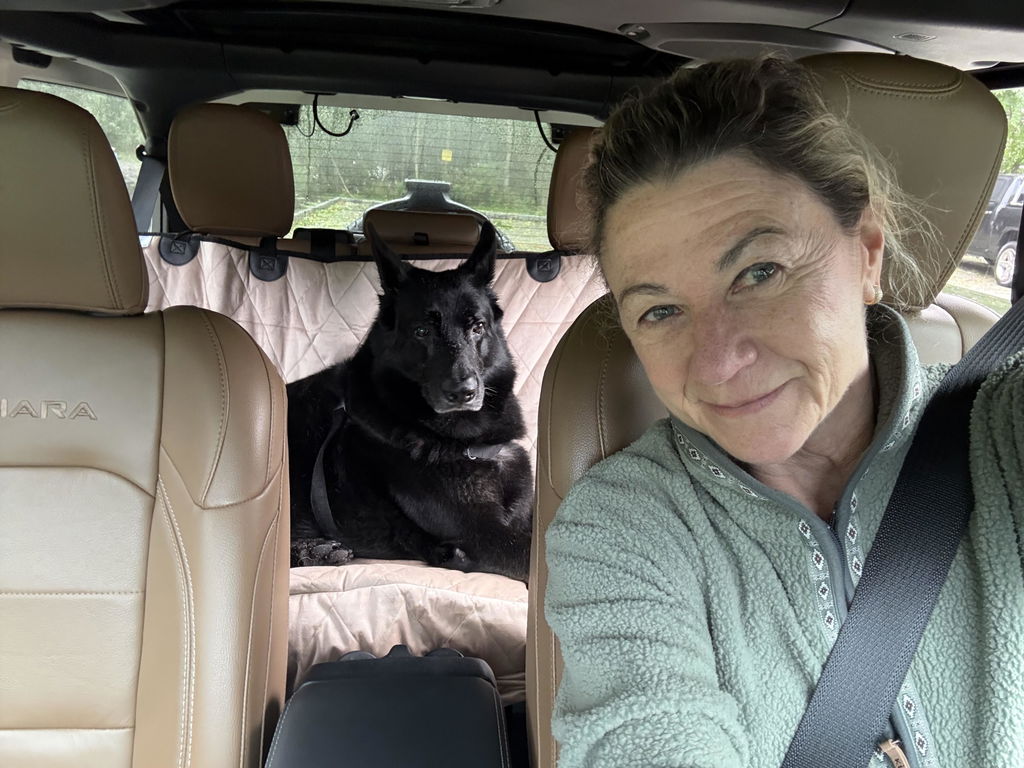
If eye care means more vet visits and more car time, Plush Paws Products help you keep those trips cleaner and calmer. Explore Plush Paws car seat covers that protect your interior and create a comfortable space for your dog.