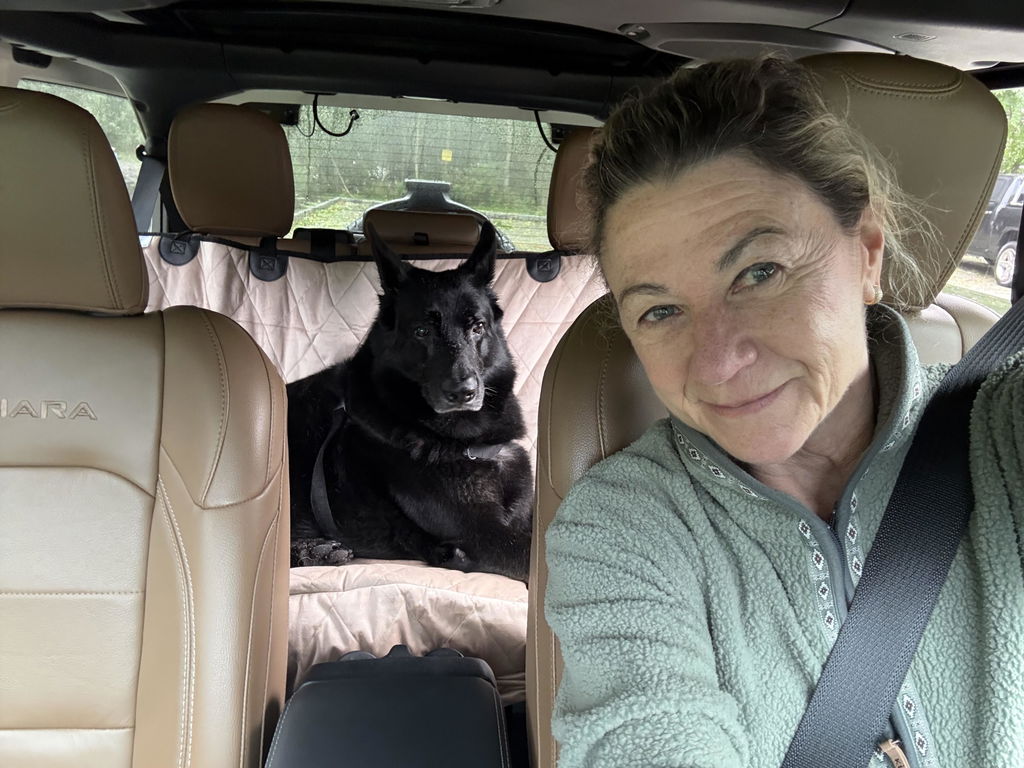

A cargo mat usually protects the flat floor of your trunk or SUV cargo area, while pet cargo liners often cover more space, including the floor, sides, seatbacks, and bumper area. For dog owners, the better choice depends on your dog’s size, travel habits, mess level, and cleanup routine.
Why cargo coverage gets more complicated with dogs
Cargo protection sounds simple until your dog hops in after a wet walk, shakes off after the park, or leaves fur tucked into every corner of the cargo area. That’s when the difference between a basic floor cover and fuller cargo protection starts to feel a lot more practical.
A cargo mat and a cargo liner both protect your vehicle, but each serves a different purpose. If you’re trying to choose the right vehicle pet cover, it helps to understand how each one works, where each one falls short, and which option fits the way your dog actually rides.
Table of contents
Why cargo coverage gets more complicated with dogs
What’s the difference between a cargo liner and a cargo mat?
How to choose between a cargo liner and a cargo mat
Which cargo cover fits your routine?
Why the right cargo protection helps
Mistakes that make cargo protection less useful
What the research says about dog travel
Tools, products, and recommendations
Make dog travel easier with Plush Paws
What’s the difference between a cargo liner and a cargo mat?
Cargo liners and cargo mats are often confused, but the main difference is the coverage they provide. A cargo mat usually protects the flat cargo floor, making it useful for dirt, pet hair, light spills, and everyday wear and tear.
A cargo liner typically covers more of the cargo area, including the floor, sides, seatbacks, or bumper edge, depending on the design. That extra coverage would be especially helpful for dogs who move around, shed, track in dirt, or lean against different parts of the vehicle. Both help, but the better choice depends on how often your dog rides with you and how much protection your cargo area needs.
How to choose between a cargo liner and a cargo mat
The easiest way to choose is to start with your routine.
Step 1: Look at how often your dog rides with you
If your dog only rides in the cargo area occasionally, you may not need full coverage. A simple floor protector is enough for occasional errands, quick vet visits, or short drives where your dog stays calm and contained.
If your dog rides with you often, especially in the back of an SUV or hatchback, fuller protection usually makes more sense. Regular use means more hair, more dirt, more paw prints, and a greater chance of damaging the cargo area.
Step 2: Think about the mess you’re trying to manage
A few grocery bags or sports items create a different kind of mess than a wet dog after a trail walk. If you mostly carry luggage, boxes, or everyday items, a cargo mat may handle the job well.
If you’re dealing with muddy paws, drool, shedding, wet fur, sand, or dog gear, a liner gives you more room for error. It helps protect the areas that tend to get messy when your dog moves around.
Step 3: Check which areas need protection
Look at your cargo area after a few dog rides. Is the mess only on the floor, or does hair collect on the seatbacks and side panels? Do your dog’s nails hit the bumper when they climb in? Does dirt end up in corners or seams?
That’s where the right vehicle pet cover makes everyday cleanup easier. A floor-only design works for some vehicles and dogs, but other setups need broader coverage.
Step 4: Consider how easy it is to clean
Cargo mats are often simple to remove, shake out, rinse, or wipe. Liners may take a little more effort because they cover more space, but they also keep more mess from reaching the vehicle in the first place.
Step 5: Match the product to your real routine
A dog who rides to the park every day needs a different setup than a dog who rides twice a year.

Which cargo cover fits your routine?
There isn’t one right choice for every dog owner. It depends on your vehicle, your dog, and the level of protection you want.
A cargo mat may work well if your cargo area sees lighter use. As we mentioned earlier, it’s a good fit if your dog rides in a crate, only travels occasionally, or you mostly want basic floor protection for groceries, luggage, pet hair, or light messes.
A cargo liner may be better if your dog rides directly in the cargo area, sheds often, tracks in mud, or leans against the seatbacks and side panels. Liners also help if you want bumper protection or fuller everyday coverage for an SUV, hatchback, or minivan.
Why the right cargo protection helps
A good cover won’t keep you from ever cleaning your car, but it makes the job a lot easier. That alone makes regular dog travel feel more manageable.
-
Easier cleanup: Hair, dirt, drool, and paw prints are easier to manage when they land on a removable cover instead of the vehicle carpet.
-
Better interior protection: A liner or mat helps reduce everyday wear, stains, and scratches in the cargo area.
-
More practical dog travel: When cleanup is easier, quick trips to the park, vet, groomer, or trail don’t feel like such a big production.
-
Less mess in hard-to-clean areas: Liners help cover corners, seatbacks, and side areas where pet hair tends to settle.
-
A more flexible cargo space: A good vehicle pet cover supports dog rides, errands, luggage, sports gear, and outdoor equipment.
-
A calmer routine after messy rides: Instead of vacuuming the whole cargo area every time, you remove, shake out, wipe, or wash the cover, depending on the material.
For dog owners who often ride with pets, cargo liners also help protect more of the areas dogs naturally touch, including the back of the seats and the area near the bumper.
Mistakes that make cargo protection less useful
Choosing cargo protection is easier when you know what to watch for. Avoid these common mistakes:
-
Assuming all cargo protection is the same: A cargo mat and cargo liner may sound similar, but they don’t cover the same areas. A small floor cover won’t protect the sides, seatbacks, or bumper.
-
Choosing based only on price: A lower-cost option may work for light use, but frequent dog travel calls for better coverage, grip, cleanup, durability, and fit.
-
Forgetting about the bumper: Many dogs scrape the bumper when they jump in and out, especially larger dogs, excited dogs, puppies, and older dogs.
-
Ignoring side and seatback protection: Dogs lean, turn, shake off, and press against the sides and seatbacks. If hair and dirt reach the seatbacks or side panels, a flat floor cover may not be enough.
-
Overlooking grip: A cover that shifts around can be frustrating and may feel less steady for your dog. Look for materials or backing that help it stay in place.
-
Picking a hard-to-clean material: Some materials trap hair, hold odors, or take longer to clean. Choose a surface that fits your dog’s shedding, mud, and wet-weather routine.
-
Buying the wrong vehicle pet cover: A backseat cover, cargo liner, and cargo floor cover aren’t always interchangeable. Choose the cover made for the space your dog actually uses.
What research says about dog travel
Dog travel is common, making cargo protection essential for everyday rides.
-
Dog ownership is widespread: AVMA reports that millions of U.S. households own pets, with dogs among the most common companion animals.
-
Dogs often ride along: Errands, vet visits, grooming appointments, park days, hikes, and road trips all leave behind hair, dirt, drool, and paw prints.
-
Dogs don’t act like regular cargo: They turn around, shed, scratch, shake off, and lean against panels.
-
Coverage should match real use: Choose cargo protection based on cleanup, grip, comfort, coverage, and how your dog actually rides.

Tools, products, and recommendations
The best choice depends on how much protection you need and how your dog rides. Instead of focusing solely on the product name, consider the features that make daily use easier.
Features to look for in cargo liners for pets
When comparing cargo liners for pets, look for:
-
Water-resistant or waterproof material
-
Nonslip backing or a secure fit
-
Side coverage
-
Seatback coverage
-
Bumper protection
-
Easy-to-clean surfaces
-
Durable stitching or construction
-
Enough room for your dog’s size and movement
-
Compatibility with your vehicle type
These features are especially helpful if your dog rides loose in the back of an SUV, hatchback, wagon, or minivan.
Features to look for in a cargo mat
If you’re leaning toward a cargo mat, look for:
-
Durable rubber, TPE, vinyl, or another easy-to-clean material
-
Raised edges, if available
-
A good fit for the cargo floor
-
A textured or grippy surface
-
Easy removal for shaking out or rinsing
-
Enough coverage for the items you carry most
A mat works best and is a practical choice when floor protection is your main concern.
FAQ
Are cargo liners and cargo mats the same?
No. A cargo mat usually protects the flat cargo floor. A cargo liner often covers more of the area, including the sides, seatbacks, or bumper edge, depending on the design.
Is a cargo liner better than a cargo mat for dogs?
Usually, yes. A cargo liner offers more coverage for hair, muddy paws, drool, and scratches. A cargo mat may still work if your dog rides in a crate or travels only occasionally.
What materials are cargo liners and cargo mats made from?
Manufacturers often use rubber, vinyl, TPE, carpet, or thermoplastic for cargo mats. Cargo liners may use waterproof polyester, quilted fabric, padding, vinyl-style layers, or nonslip backing.
Can I use a cargo liner in the back seat?
Usually, no. Cargo liners fit cargo areas. If your dog rides in the rear seat, use a backseat protector or hammock-style cover instead.
What should I look for in cargo liners for pets?
Look for water-resistant material, easy cleanup, nonslip backing, strong coverage, and enough space for your dog to move comfortably. Bumper and side protection also help.
Is a cargo liner worth it for occasional dog travel?
It can be. If your dog rides rarely and stays in a crate, a simple cover may work. If your dog sheds, gets muddy, or rides loose, fuller coverage saves cleanup time.

Make dog travel easier with Plush Paws
The right cargo protection depends on how your dog rides and how much of the cargo area you want to protect. A cargo mat is a simple choice for basic floor coverage, while cargo liners for pets usually make more sense for regular dog travel, muddy paws, shedding, and fuller cleanup support. Shop Plush Paws for practical dog travel essentials that help protect your vehicle and make everyday rides easier to manage.