
Start puppy proofing your home with the rooms your puppy will use first. Remove anything dangerous or easy to swallow, secure cords and trash, block unsafe areas, and create a comfortable place for sleep and quiet time. Protect furniture before accidents happen, then revisit your setup as your puppy grows and reaches new areas.
Start by seeing your home from your puppy’s level
A charger, backpack, or gap behind the couch may look harmless until a curious puppy gets involved. Good puppy proofing starts with the spaces your puppy will actually use and the things they’ll reach first. If the couch will be part of that space, a protective couch cover may also make those early weeks easier to manage.
Table of contents
Start by seeing your home from your puppy’s level
Start with the space your puppy will actually use
Look at your home from puppy level
Watch for overlooked household hazards
Protect your couch before your puppy settles in
Give your puppy better things to chew
Plan for the moments when you aren't watching
Check the yard, garage, and car
Run a few real-life tests before your puppy arrives
Finish your new puppy checklist
Puppy-proof again as your dog grows
Prepare your home for your puppy with Plush Paws
Start with the space your puppy will actually use
Start with one or two areas where your puppy will spend most of their time. Once they settle in and learn the routine, you can gradually give them access to more of the house.
A smaller area makes supervision easier and limits new temptations. Baby gates, closed doors, or a puppy pen also help you gradually expand their access.
Before your puppy arrives, decide where they'll sleep, eat, play, and stay when you can't watch them closely.
As you work through the house, ask:
-
Could my puppy get hurt here?
-
Could my puppy swallow or destroy something here?
-
Could my puppy learn a habit here that I don't want later?
Those questions help you create a safer setup that also works for everyday life with a puppy.
Look at your home from puppy level
A room looks different when your face sits a foot off the floor.
Crouch down and look under tables. Check behind furniture and around low shelves. Pay attention to anything that hangs within reach. A charging cable beside the couch may barely register when you're standing, but it sits right in front of a curious puppy.
As you check each space, follow the American Kennel Club’s puppy-proofing advice and look for anything tempting or unsafe that your puppy might reach.
Don't forget narrow gaps, either. A small puppy may squeeze behind a couch or underneath a bed long before you realize the space looks inviting.

Work through each room
Living room
Move remotes and small electronics away from low tables. Route charging cables where teeth won't find them. Check houseplants before leaving them within reach.
Look under couches and chairs for dropped objects. Pay particular attention to recliners or rocking furniture since a small puppy may crawl close to moving parts without anyone noticing.
If you have a fireplace, block access until you know your puppy will leave the area alone.
Kitchen and dining areas
Food smells make the kitchen especially interesting.
Use a trash container that your puppy won't easily open. Keep cleaners behind a secure cabinet door and move anything dangerous away from low shelves.
Pay attention to dropped food, too. The ASPCA's guide to foods dogs should avoid includes chocolate and grapes, as well as products containing xylitol.
Check hanging towels or tablecloths too. One enthusiastic tug may pull more than the fabric down.
Bedrooms and bathrooms
Bedrooms collect the kinds of objects puppies love to steal. Shoes and socks often sit at floor level, while charging cords trail beside beds. Medication may stay on a nightstand that becomes reachable as the puppy grows.
In bathrooms, keep medications and cleaning products out of your puppy's reach. Secure the trash rather than assuming it holds nothing interesting. Razors, floss, and other small bathroom items also deserve a second look.
Kids' spaces
Your puppy doesn't know the difference between a dog toy and a child's toy.
Small blocks, doll accessories, and craft pieces may look like perfect things to chew. Families often need a new cleanup routine once a puppy comes home.
Instead of expecting children to remember where every object belongs every time, decide where small toys belong when nobody is actively using them.
Watch for overlooked household hazards
Some of the easiest things to miss have been sitting around your home for years.
As you continue puppy proofing your home, take another look at:
-
Blind and curtain cords
-
Batteries
-
Hair ties and rubber bands
-
Purses or backpacks left on the floor
-
Other pets' medication
-
Cat food and litter boxes
-
Laundry baskets
-
Floor heaters
-
Open exterior doors
Backpacks and purses deserve particular attention. People often carry gum, medication, snacks, or other small objects without thinking about what happens when the bag lands on the floor.
Your setup works much better when everyone in the home understands the same boundaries.
Protect your couch before your puppy settles in
A couch may become one of your puppy's favorite places before you've decided whether they're even allowed on it.
Figure out your furniture rules early. If you don't want your puppy on the couch, everyone in the household should follow the same rule. Letting the puppy up sometimes and correcting them at other times makes the boundary harder to understand.
If your puppy will use the couch, prepare for what comes with it. Puppy paws bring in dirt. Potty-training accidents happen. Teething puppies may investigate cushions or decorative pillows with their mouths.
Move anything you don't want chewed and check behind the couch for cords or dropped objects. Then think about the upholstery itself.
A protective couch cover gives you a removable layer between your puppy and the furniture. That makes cleanup easier during potty training and after messy outdoor play.
Give your puppy better things to chew
Taking away every forbidden object only solves half the problem. Your puppy still wants to chew.
Set out puppy-appropriate toys or chews in the spaces where your puppy spends time. If they start investigating a shoe or furniture leg, redirect them toward something that belongs to them.
Think of it this way:
Remove the temptation, then give your puppy a better option.
This part of puppy proofing helps protect your belongings while giving normal chewing behavior somewhere appropriate to go.
Plan for the moments when you aren't watching
Nobody watches a puppy every second of the day.
Decide where your puppy goes when you need your attention somewhere else. Where will they stay while you shower? What happens while you cook dinner? Where do they go when you answer the front door?
A crate, puppy pen, gated area, or puppy-safe room gives you somewhere to manage those moments without wondering what your puppy discovered behind your back.
Choose that space before the puppy comes home. Keep hazards outside it and give your puppy appropriate things to occupy their attention.
Check the yard, garage, and car
Puppy proofing your home shouldn't stop at the back door.
Walk the perimeter of your yard from your puppy's perspective. Look under the fence for gaps and make sure gates close securely.
The garage deserves even stricter boundaries. Keep automotive fluids and lawn products out of reach. Pick up loose hardware and tools rather than relying on the puppy to ignore them.
Then think about the car.
Your puppy may ride in it almost immediately for veterinary appointments or everyday outings. Decide where they'll ride and how you'll keep them secure before that first rushed trip.
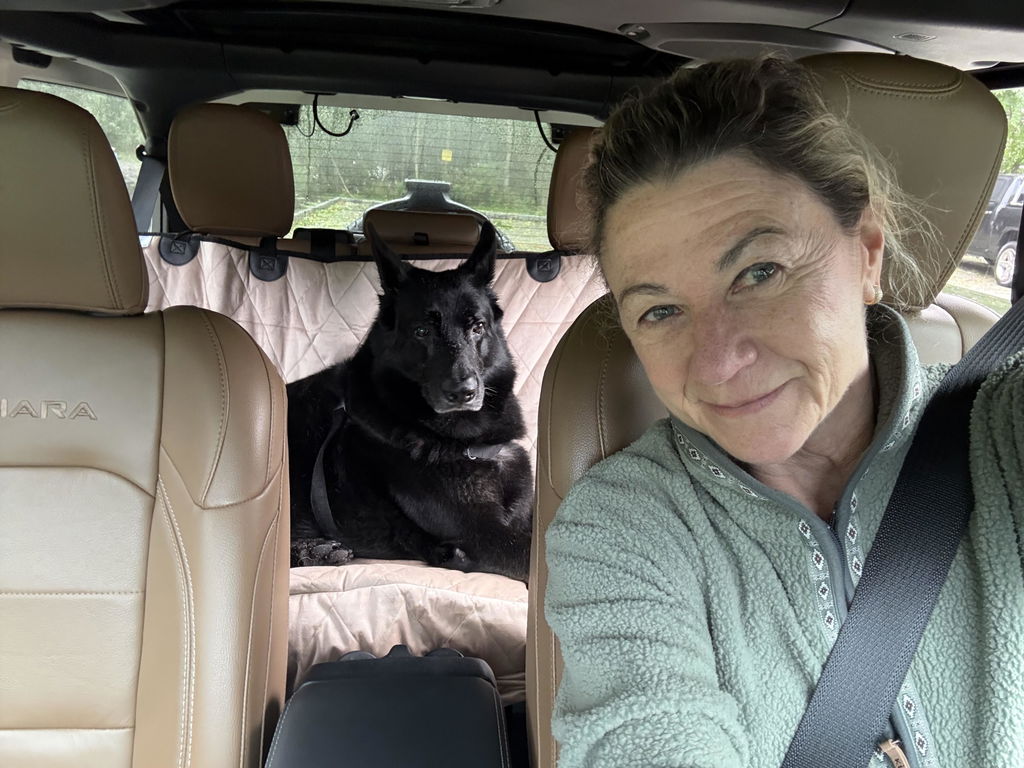
A protective seat setup also makes muddy paws and early accidents easier to handle. Dog car accessories and seat protection may help keep the ride easier to clean while your puppy gets used to traveling.

Run a few real-life tests before your puppy arrives
A checklist tells you whether you moved the cords. A real-life test tells you whether your setup actually works.
Walk through a few ordinary situations before pickup day.
The doorbell rings.
Where does the puppy go while you open the door? Make sure your plan doesn't depend on grabbing a fast-moving puppy at the last second.
You're making dinner.
Decide whether the puppy stays with you or moves to a gated area while you cook.
Someone drops a backpack by the couch.
Think about what might sit inside and whether the puppy could reach it.
Your puppy comes in with muddy paws.
Know where you'll stop before dirt travels through the house and keep a towel nearby.
It's 2 a.m., and your puppy needs a potty break.
Make sure you have a clear route outside. Keep the leash somewhere easy to reach.
You need to leave for a short period.
Decide where your puppy will stay before you face that situation for the first time.
These simple tests often uncover problems that a traditional new puppy checklist misses.
Finish your new puppy checklist
Once you've handled the hazards, turn your attention to the routines that make the first week easier.
Before your puppy arrives:
-
Choose a regular place for food and water.
-
Set up the sleeping area.
-
Keep the leash near the door you'll use for potty trips.
-
Put cleanup supplies somewhere easy to reach.
-
Decide where toys and chews belong.
-
Give older pets somewhere to get away from puppy energy.
-
Talk to everyone in the household about the same boundaries.
Your new puppy checklist should prepare the people in the home as much as the physical space.
Puppy-proof again as your dog grows
The setup that works during your puppy's first week probably won't last forever.
A tiny puppy who can't reach the coffee table today may clear it easily a few months from now. A dog who shows no interest in the stairs may suddenly decide they're worth exploring.
Revisit your setup as your puppy changes.
After the first week, look at what your puppy noticed that you missed. During teething, watch for new chewing targets. As your puppy grows taller, reassess countertops or shelves that suddenly fall within reach.
Adolescence deserves another check, too. Greater confidence sometimes leads dogs to test boundaries they previously ignored.
Treat puppy proofing as an ongoing part of raising your dog rather than a project you finish the night before pickup.
Frequently asked questions
How do I puppy-proof my house before bringing a puppy home?
Start with the rooms your puppy will use first. Remove dangerous or swallowable objects and move cords out of reach. Secure trash and block off areas you don't want the puppy to enter, then create a safe place for times when you aren't actively supervising them.
How much of the house should a new puppy have access to?
Start your puppy in a smaller part of the house where you can keep a close eye on them. As they settle in and get better at following the rules, you can slowly give them access to more rooms.
What puppy-proofing hazards do people commonly forget?
People often overlook purses, backpacks, hair ties, laundry, and objects underneath furniture. Moving furniture also deserves attention, especially recliners, where a small puppy may wander close to the mechanism.
Should I cover my couch when getting a puppy?
A cover makes sense if you plan to let your puppy on the furniture. It gives the upholstery extra protection from dirty paws and shedding while helping with potty-training accidents. A washable cover also simplifies cleanup after everyday messes.
How long should I keep my home puppy-proofed?
Follow your dog's behavior rather than a specific age. Keep restrictions in place until your dog consistently leaves household objects alone and follows the boundaries you've taught. Reassess the home whenever your puppy grows or gains access to a new area.
What should I have ready for my puppy's first night?
Your new puppy checklist should include a safe sleeping area and an easy route outside for potty breaks. Keep the leash and cleanup supplies nearby so you don't have to search for them in the middle of the night.

Prepare your home for your puppy with Plush Paws
The first few days will probably reveal something you missed. Focus on a safe starting area, clear boundaries, and routines that make everyday life easier.
You won't catch every possible mess before your puppy comes home. Start with a setup that works now, then make changes as you learn what your puppy gets into and how they move through the house.
For help protecting the spaces you share with your dog, contact Plush Paws to find the right option for your home or vehicle.