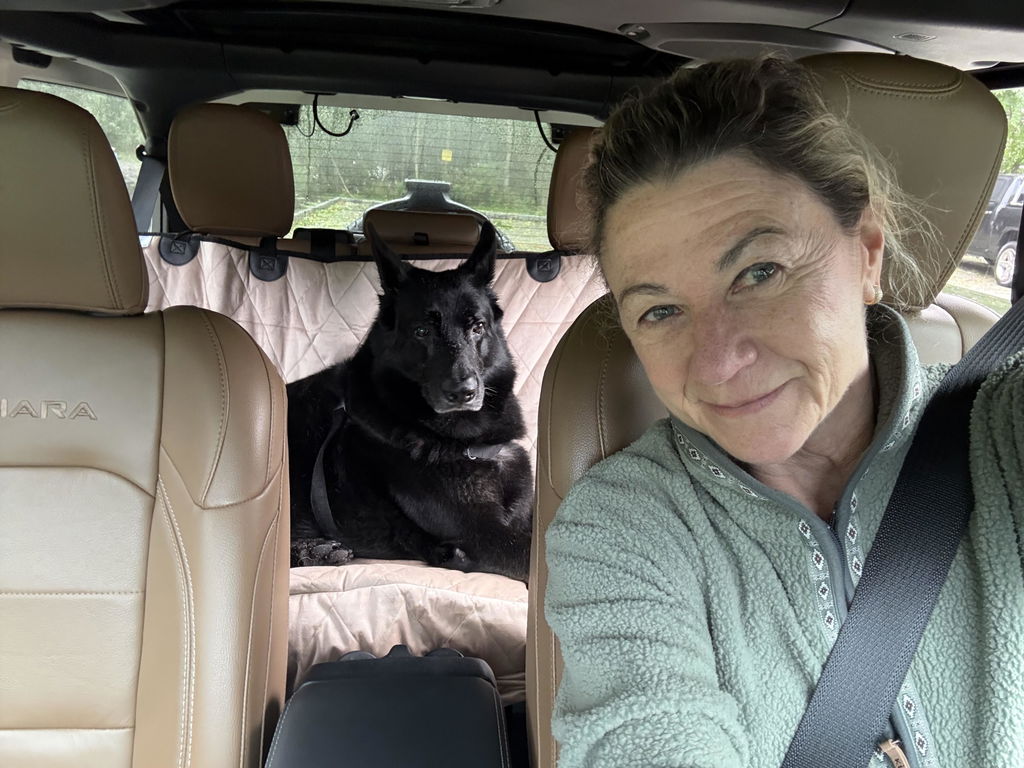

A calmer car ride starts with a steadier setup, short practice drives, familiar comfort items, planned breaks, and a routine your dog recognizes. If you’re learning how to calm a dog in the car, focus on comfort, safety, and predictability first. The right dog accessories for cars also make long trips cleaner and easier to manage.
A calmer start to long car rides
Long car rides can get stressful fast when your dog pants, whines, drools, shakes, or keeps trying to climb forward. Start with a setup that helps them feel more secure. Bring something familiar, plan breaks before the drive feels too long, and use a dog car seat cover to give them a steadier space while making cleanup easier for you.
Table of contents
A calmer start to long car rides
Why dogs get stressed during long car rides
How to tell if your dog feels anxious or carsick
11 ways to calm your dog during long car rides
Helpful dog accessories for car travel
Common mistakes to avoid before a long drive
What research and vet guidance say about dogs in cars
Make long car rides easier with Plush Paws
Why dogs get stressed during long car rides
Some dogs connect the car with stressful places, like the vet, groomer, or boarding facility. Others dislike the motion, traffic sounds, turns, stops, or rumble under their paws.
The setup inside the car also affects how your dog feels. Slick seat covers and gaps behind the front seats may make it harder for your dog to settle. Motion sickness adds another challenge, especially for younger dogs.
A secure restraint, a familiar blanket, planned breaks, and a dog car seat cover help create a cleaner, steadier space for your dog to ride. The cover won’t fix anxiety on its own, but it supports a more predictable setup.
How to tell if your dog feels anxious or carsick
Car anxiety and carsickness look similar, so watch when your dog’s symptoms start. Anxiety often shows up before the car moves. Your dog may resist getting in, shake, bark, whine, pace, pant, or try to climb forward.
Carsickness usually starts once the ride begins. Signs may include drooling, lip licking, yawning, repeated swallowing, restlessness, vomiting, or tiredness after the ride.
Some dogs deal with both. Once you understand the pattern, you’ll be able to choose better routines, safer restraint options, and more useful dog accessories for cars.
11 ways to calm your dog during long car rides
1. Start with short practice rides
If your dog already dislikes the car, don’t make the long trip the first big test. Start with the parked car. Let your dog sniff around, climb in, sit for a few minutes, and get a treat or calm praise.
Then move to short rides around the block or to a calm place your dog enjoys. This helps your dog learn that the car doesn’t always lead to a stressful place. If you want to know how to calm a dog in the car, start before travel day.
2. Give your dog a steadier place to ride
Some dogs struggle because the seat feels unstable. They slide on slick surfaces, lose their footing during turns, or move around because they can’t get comfortable.
Start with a restraint that fits your dog’s size and travel needs. A harness, crate, carrier, or pet seat belt helps limit pacing. A dog car seat can also help protect the seat while giving your dog a more consistent place to rest. Use the cover for comfort and cleanup, and use a proper restraint for safety.
3. Bring familiar blankets, toys, or bedding
Familiar smells help a nervous dog feel more at home. Bring a blanket, small bed, or soft toy your dog already knows, especially for longer routes with unfamiliar sounds and stops.
Keep comfort items simple. Too many loose blankets, toys, bags, or pillows crowd the seat and get in the way of your dog’s restraint.
4. Keep the car cool, calm, and quiet
A loud, hot, or overstimulating car makes a nervous dog feel worse. Keep the speed low, avoid sudden stops when possible, and maintain a comfortable temperature.
Some dogs settle better with steady airflow, but don’t let your dog hang their head out the window. Never leave your dog alone in a parked car, even when the weather feels mild.
5. Plan breaks before your dog needs them
Long stretches without a break can make any dog restless. Plan stops for potty breaks, water, and a little movement before your dog starts whining, pacing, or struggling to settle.
Keep your leash easy to reach, and clip it on before you open the door. Breaks also help you check for signs of stress or illness, like heavy drooling, vomit, or unusual tiredness.
6. Avoid a large meal right before the trip
A full stomach can make nausea worse in some dogs. Feed your dog earlier before a long drive, then use small treats during practice or breaks if your dog handles them well.
Don’t withhold water for the whole ride. Offer small amounts during stops, and pack a collapsible bowl. If your dog vomits often in the car, talk with your vet.
7. Use a crate, carrier, harness, or pet seat belt
A loose dog distracts the driver, climbs into unsafe spots, or loses balance during sudden stops. A secure travel setup helps protect your dog and gives them a clear place to stay.
Some dogs settle better in a crate or carrier because the smaller space feels familiar. Others do well with a harness and pet seat belt in the back seat. Choose the option that fits your dog’s size, behavior, and comfort level.
8. Bring the right travel supplies
A calmer ride often starts with better preparation. Bring water, a collapsible bowl, treats, waste bags, wipes, a towel, an extra leash, any needed medications, and vet records for longer trips.
The best dog accessories for cars solve real problems while you're on the road. A travel bowl helps with water breaks. Wipes help with drool and muddy paws. Seat protection helps keep hair, dirt, and accidents from taking over the ride.
9. Create a cleanup plan before you leave
Dogs bring real-life mess into the car. Even a calm dog may shed, drool, spill water, track in mud, or have an accident on a long trip.
Keep wipes, towels, waste bags, and a small trash bag in one easy-to-reach spot. A dog car seat cover makes cleanup much easier by protecting the seat from hair, moisture, scratches, and dirt.
10. Try calming aids carefully
Some dogs benefit from calming chews, pheromone sprays, anxiety wraps, or soothing music. These tools may help, but test them before the long drive to see how your dog responds.
Calming aids work best when they support the rest of your travel routine. Your dog may still need practice rides, planned breaks, a secure restraint, familiar comfort items, and a steady place to settle. Talk with your vet before using medication or combining several calming products.
11. Talk to your vet when anxiety or carsickness feels severe
Some dogs need more help than routine changes provide. If your dog vomits often, panics before every ride, drools heavily, pants intensely, or seems distressed even during short drives, call your vet.
Your vet can help you sort out nausea, anxiety, pain, or another concern. The right support makes long car rides safer and more manageable for your dog.

Helpful dog accessories for car travel
The right gear won’t magically erase car anxiety, but it supports a calmer routine, cleaner seats, and a steadier place to ride. When you compare dog accessories for cars, think about what problem you need to solve first.
|
Accessory |
How it helps |
|
Dog car seat cover |
Helps protect seats from fur, drool, mud, scratches, and accidents |
|
Hammock-style seat cover |
Helps cover the back seat and blocks the footwell gap |
|
Cargo liner |
Helps protect SUV or hatchback cargo areas |
|
Bucket seat cover |
Helps protect front seats or captain’s chairs when your setup allows it |
|
Harness or pet seat belt |
Helps reduce roaming and supports safer travel |
|
Crate or carrier |
Gives some dogs a contained, familiar riding space |
|
Travel bowl |
Makes water breaks easier |
|
Wipes and towels |
Helps manage drool, muddy paws, spills, and carsickness cleanup |
A dog that sheds heavily may need full back-seat protection. A dog who rides in an SUV may need a cargo liner. A dog who drools, gets carsick, or jumps in with muddy paws may need washable protection and a small cleanup kit.
Plush Paws focuses on practical travel products for everyday rides and longer trips. A good dog car seat cover or cargo liner won’t replace training, restraint, or vet guidance, but it helps make the whole car routine easier to manage.
Common mistakes to avoid before a long drive
Small mistakes make a long drive harder than it needs to be. Before you leave, take action to prevent these common issues:
-
Waiting until travel day to introduce the car. Give your dog time to get used to the car with short practice rides before a long trip.
-
Feeding a large meal right before leaving. A full stomach may make nausea worse for some dogs. Feed earlier when possible, and ask your vet for guidance if your dog often gets carsick.
-
Letting your dog roam loose. Roaming distracts the driver and makes your dog feel less settled. Use a harness, crate, carrier, or pet seat belt that fits your dog properly.
-
Forgetting cleanup supplies. A dog car seat cover helps protect your seats, but you’ll still want wipes, towels, waste bags, and water nearby for muddy paws, drool, shedding, and spills.
-
Packing too many loose items. Blankets and toys help your dog feel more comfortable, but too many loose items crowd the seat and interfere with your dog’s restraint setup.
-
Skipping planned breaks. Long stretches without a stop make dogs restless. Plan breaks for water, potty time, and short movement before your dog gets uncomfortable.
-
Treating anxiety and motion sickness the same way. If you want to understand how to calm a dog in the car, watch the signs, notice when they start, and adjust the plan around your dog’s actual needs.

What research and vet guidance say about dogs in cars
Most trustworthy dog travel advice comes back to a few practical basics:
-
Prepare before the long drive. Short practice rides help your dog get used to the car before a longer trip, which adds more stress.
-
Build positive car experiences. AKC encourages calm, comfortable car training so that dogs adjust before travel feels overwhelming.
-
Use a safe restraint setup. A harness, crate, carrier, or pet seat belt helps reduce roaming and support safer travel.
-
Watch for motion sickness. VCA notes that younger dogs experience motion sickness more often, and inner ear development, balance, and anxiety may all play a role.
-
Keep parked-car safety in mind. AVMA warns against leaving pets in parked cars because temperatures rise quickly.
-
Talk to your vet when symptoms feel strong. Heavy drooling, vomiting, panic, intense panting, or repeated distress may need more support than routine changes.
If you’re working on how to calm a dog in the car, don’t rely on one trick. Use a steady setup, short practice rides, breaks, comfort items, restraint, and vet support when your dog needs more help.
FAQ
How do I calm my dog during a long car ride?
Start with short practice rides, then build up slowly. Give your dog a secure place to ride, bring a familiar blanket, plan breaks, keep the car cool, and avoid a large meal before leaving. If your dog panics or vomits often, ask your vet for help.
What dog accessories help during long car rides?
Useful dog accessories for cars include seat covers, cargo liners, harnesses, pet seat belts, crates, carriers, travel bowls, wipes, towels, and familiar bedding. Choose gear based on your dog’s behavior, mess level, and travel setup.
Can a dog car seat cover help my dog feel calmer?
A dog car seat cover won’t treat anxiety, but it helps some dogs settle by creating a steadier, easier-to-clean riding surface. Pair it with a proper restraint for a safer setup.
Why does my dog pant so much in the car?
Panting points to stress, heat, excitement, nausea, or discomfort. Check the temperature, watch for drooling or vomiting, and call your vet if the panting seems intense or unusual.
How often should I stop on a long car ride with my dog?
Many dogs do well with a break every few hours, but age, health, bladder needs, and anxiety change that rhythm. Plan breaks so your dog doesn't get restless.
What do I give my dog for car anxiety?
Some dogs benefit from calming chews, pheromone sprays, anxiety wraps, or vet-approved medication. Test non-medical calming aids before the trip, and ask your vet before using medication.
Is my dog anxious or carsick?
Anxiety often starts before the car moves. Carsickness usually begins once the drive starts and may include drooling, lip-licking, nausea, or vomiting. Some dogs experience both.

Make long car rides easier with Plush Paws
Long car rides get easier when you prepare early and keep the setup simple. Short practice drives, a secure restraint, familiar comfort items, planned breaks, smart food timing, and a cleanup kit all help your dog feel more settled.
The right dog accessories for cars also make the trip easier on you. Seat covers, cargo liners, travel bowls, wipes, and towels help you manage hair, drool, muddy paws, spills, and accidents. Shop Plush Paws for practical travel essentials that help make long rides cleaner, easier, and more comfortable.