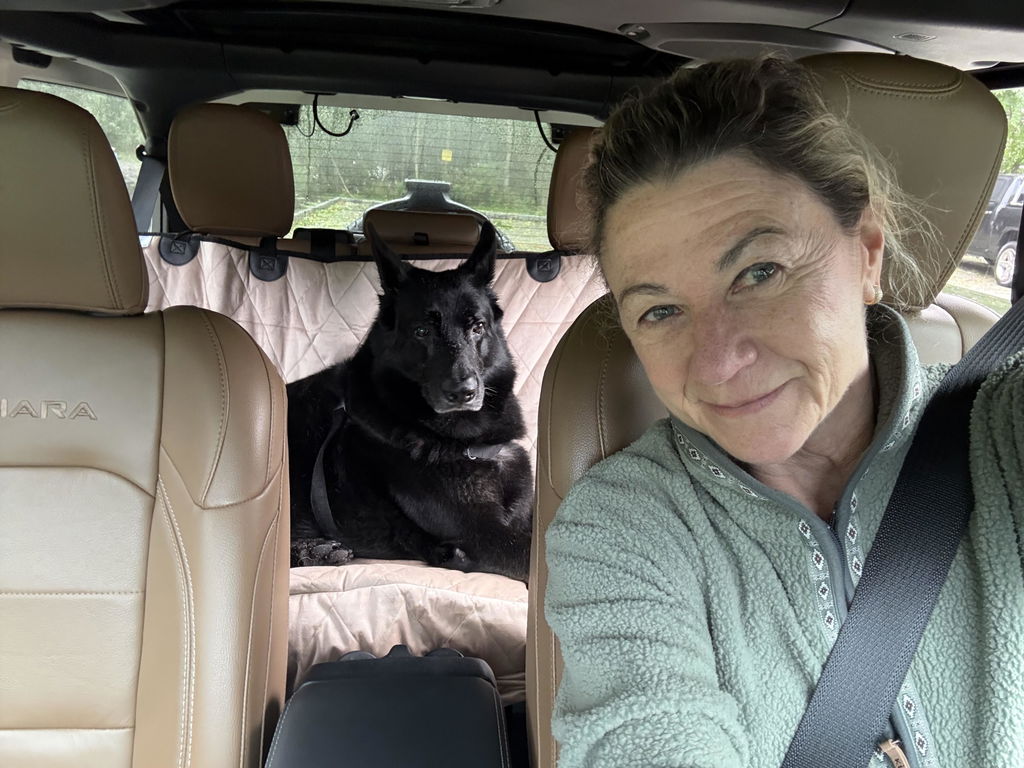

If your dog has motion sickness, you may notice drooling, whining, lip licking, restlessness, or vomiting during car rides. Motion sickness in dogs is especially common in younger dogs and overlaps with travel anxiety. The good news is that there are practical ways to respond in the moment and learn how to prevent dog car sickness over time.
Planning a calmer car ride starts with early signs
Car rides can be exciting in theory, but much harder in real life when your dog starts drooling, pacing, or getting sick before you even leave the driveway. If your dog has motion sickness, the first clues may seem subtle at first, especially because nausea and anxiety often occur together.
In this guide, we’ll walk through the most common signs, what they mean, what to do during a car ride, and how to prevent dog car sickness with gradual exposure, thoughtful routines, and vet-guided support.
Table of contents
Planning a calmer car ride starts with early signs
What motion sickness in dogs looks like
7 signs your dog has motion sickness
What to do if your dog gets sick in the car
How to prevent dog car sickness
Benefits of addressing motion sickness early
Car ride mistakes that make motion sickness worse
Motion sickness facts and helpful resources
Help your dog feel better on the road
What motion sickness in dogs looks like
Motion sickness in dogs usually occurs when car motion affects the inner ear and balance, leading to nausea. Anxiety makes it worse, especially if a dog already connects the car with stress or feeling sick.
Puppies and younger dogs are more likely to struggle because their balance systems are still developing. Some improve with age, but others may continue to feel nauseous or develop anxiety around car rides. The sooner you respond, the easier it is to make future trips more comfortable.
How to spot the signs early
Watch your dog before the ride starts. Some dogs show discomfort as soon as they see the leash, hear the keys, or approach the car, which points to anxiety along with nausea.
Early signs include drooling, lip licking, repeated swallowing, panting, whining, or refusing treats. It also helps to track patterns, like when symptoms begin, whether short rides go better than long ones, and whether meals or heat seem to make the problem worse.

7 signs your dog has motion sickness
If your dog seems uneasy in the car, look for a pattern rather than focusing on a single symptom. Motion sickness in dogs often presents as a combination of physical nausea and stress-related behavior. Here are seven common signs to watch for.
1. Excessive drooling
Heavy drooling is one of the most common signs of nausea during travel. If your dog normally drools very little but starts salivating heavily once the ride begins, motion-related nausea may be the cause. You may notice wet fur around the mouth, drool strings, or damp spots on the seat or blanket.
2. Lip licking or frequent swallowing
Some dogs don’t drool dramatically, but they do lick their lips over and over or swallow more often than usual. These small behaviors are easy to miss, but they often show up early and may be your first clue that your dog is feeling queasy. If you notice them before other symptoms, it may help to shorten the ride or stop for a break sooner.
3. Whining or vocalizing
Whining reflects stress, nausea, or both. A dog that whines only in the car, especially when accompanied by drooling or restlessness, may be trying to communicate discomfort rather than simple excitement. Some dogs may also whimper, bark, or make soft, distressed sounds as the ride continues.
4. Restlessness or inability to settle
A nauseated dog may pace, shift positions constantly, stand when they would normally lie down, or struggle to get comfortable. This looks like nervous energy, but it may actually be a sign that movement is making your dog feel unwell. If your dog can’t relax even on familiar drives, it’s worth paying closer attention.
5. Panting that seems out of proportion
Panting happens for many reasons, including excitement and heat. If your dog is panting heavily in a cool car and also showing other signs like drooling or whining, nausea should be on your list of possibilities. Panting tied to motion sickness often looks more tense and unsettled than normal post-play panting.
6. Vomiting or dry heaving
This is the clearest sign, and often the one owners notice first. By the time your dog vomits, it has usually been uncomfortable for a while. That’s one reason it helps to recognize early symptoms. Even dry heaving or repeated gagging signals that the car ride isn’t going well.
7. Refusing to get into the car
When a dog resists the car after several rough rides, that may mean the experience has become emotionally loaded. In many cases, that resistance builds over time after repeated uncomfortable trips.
What to do if your dog gets sick in the car
If symptoms start during a ride, keep your response calm and simple. Open the airflow if it’s safe to do so, keep the car temperature comfortable, and stop as soon as you can for a short break. Offer your dog a chance to stand, reset, and get some fresh air before continuing.
Don’t scold or overreact if your dog vomits. The most helpful next steps are cleanup, comfort, and observation. If the ride is optional, it may be better to head home and regroup rather than push through a long trip. If your dog has frequent or severe symptoms, contact your vet before the next drive instead of hoping the issue resolves on its own.
How to prevent dog car sickness
The best way to start is slowly. Let your dog spend time in the parked car, reward calm behavior, and keep sessions short so the experience stays positive. Once your dog seems more comfortable, move to very brief drives and gradually increase the duration. Taking small steps helps the car feel less stressful and more predictable.
Consider your dog’s feeding routine, too. It often helps to avoid feeding your dog for four to six hours before travel, while still offering water to keep your dog hydrated. For longer rides, plan regular stops for bathroom breaks, fresh air, and a chance to reset. A comfortable setup, such as a secure harness, a stable seating area, and a familiar blanket, also makes travel easier.
If symptoms keep happening, talk with your vet about the best next steps. Some dogs need more gradual training, while others may benefit from medical support to make car rides safer and more manageable.
Benefits of addressing motion sickness early
Addressing motion sickness early helps with:
-
Better comfort during car rides because your dog is less likely to reach the point of heavy nausea, vomiting, or panic before you step in
-
Less stress for both you and your dog since calmer, more manageable rides make travel feel less unpredictable and exhausting
-
Fewer negative associations with the car by preventing repeated bad experiences that teach your dog to expect discomfort every time the door opens
-
Easier vet visits, grooming trips, and everyday travel because short routine drives become more realistic when your dog isn’t bracing for sickness
-
A lower chance that nausea turns into ongoing travel anxiety, since motion sickness and fear often build on each other over time
-
Steadier progress as you learn how to prevent dog car sickness through shorter practice rides, better timing, and small adjustments that are easier to repeat consistently
The earlier you notice the problem, the easier it usually is to improve your dog’s experience. Small changes may seem simple, but they have a lasting impact when you start early and stay consistent.

Car ride mistakes that make motion sickness worse
Try to avoid these common mistakes:
-
Assuming your dog will outgrow the problem without support, when some dogs need training changes, shorter rides, or veterinary help to improve
-
Waiting too long to address early symptoms because mild drooling, panting, or restlessness turns into stronger car anxiety over time
-
Feeding a full meal right before travel, since a full stomach makes nausea and vomiting more likely during the ride
-
Jumping into long drives too quickly instead of building comfort with shorter, easier trips first
-
Treating every symptom like anxiety when nausea may be involved, because motion sickness and stress often overlap
-
Expecting one big test trip to fix the issue when most dogs do better with gradual, repeatable progress
-
Skipping short practice rides and calmer routines that help the car start to feel more familiar and less overwhelming
When learning how to prevent dog car sickness, slower and steadier usually works better. Small adjustments, repeated consistently, are often more effective than trying to solve the problem all at once.
Motion sickness facts and helpful resources
A few key takeaways from veterinary guidance:
-
Motion sickness in dogs is more common in puppies and younger dogs because their balance systems are still developing.
-
Repeated bad car rides cause dogs to associate the car with nausea and stress.
-
Gradual desensitization, such as parked-car practice and short positive drives, is among the most recommended approaches.
-
Some experts recommend avoiding food for several hours before travel.
-
Dogs with frequent or severe symptoms may need veterinary support.
Car ride essentials for dogs
A few practical items make car rides easier and less stressful. Helpful basics include:
-
Washable seat cover or travel blanket
-
Cleanup wipes
-
Paper towels
-
Waste bags
-
Towel for drool or accidents
-
Secure harness or travel restraint
-
Crate if your dog is already comfortable in one
-
Portable water bottle or bowl
-
Familiar blanket or comfort item
FAQ
How do you treat motion sickness in dogs?
Treatment usually starts with simpler steps: shorter practice rides, calmer routines, avoiding a full meal before travel, and taking breaks on longer trips. If symptoms are frequent or more severe, veterinarians may recommend medication for nausea or anxiety, depending on what’s driving the problem.
What is the 7 7 7 rule for dogs?
The 7 7 7 rule for dogs usually refers to a general adjustment framework for a new or adopted dog: the first 7 days to decompress, the first 7 weeks to learn routines and build trust, and the first 7 months to feel fully settled into the home. It helps owners set realistic expectations.
Why is my dog suddenly getting carsick?
A dog seems to “suddenly” get carsick if past rides created a negative association with the car, if anxiety has started to build before travel, or if there’s another medical issue affecting balance or nausea. Veterinary sources note that middle or inner ear problems, vestibular disease, medications, and lack of conditioning all contribute to the condition.
Is Dramamine or Benadryl better for dog car sickness?
Neither is a one-size-fits-all choice. Veterinarians may use both dimenhydrinate (Dramamine) and diphenhydramine (Benadryl) for motion sickness in dogs. Still, you should consult a veterinarian because the right dose depends on your dog’s size and health. For true motion-sickness nausea, veterinary sources also note that prescription anti-nausea treatment may work better than antihistamines in some dogs.

Make car rides easier with Plush Paws
If your dog has motion sickness, you aren’t stuck with miserable car rides forever. The biggest wins usually come from noticing early signs, slowing the process down, and making travel feel more predictable. With short practice rides, smart timing, and veterinary help when needed, many dogs become much more comfortable in the car.
Keep the focus on comfort, safety, and steady progress, rather than pushing long trips too soon. And for everyday cleanup and practical travel support, shop Plush Paws for covers that help life on the road feel a little easier.