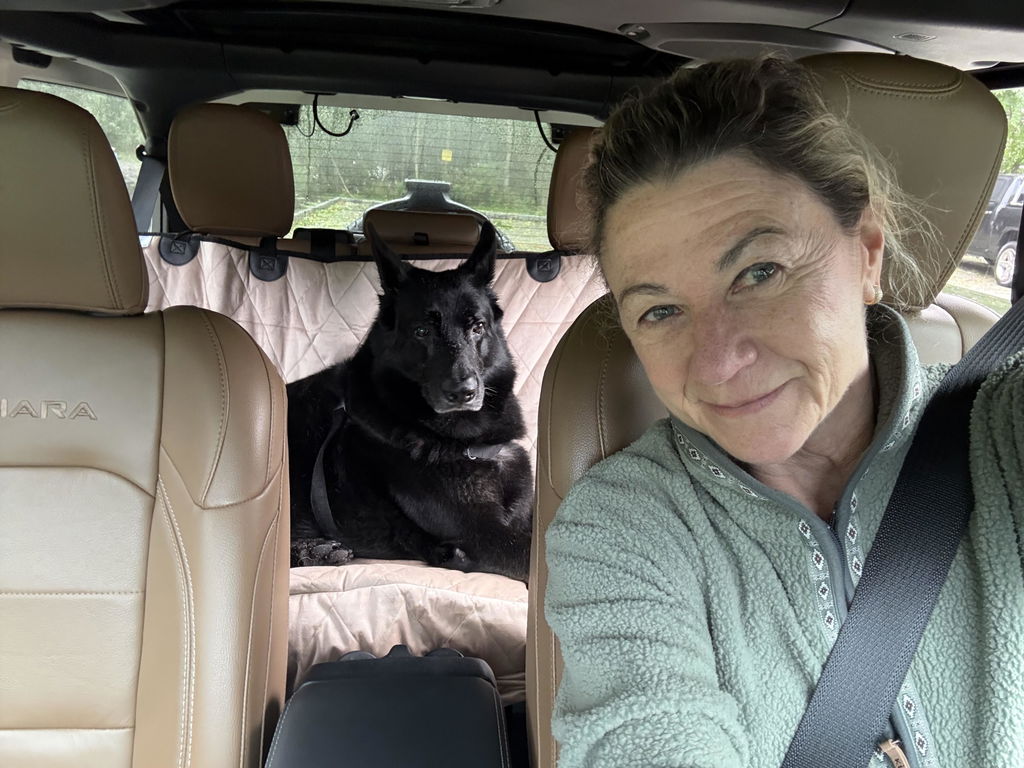

The best dog travel tips focus on safety, comfort, and preparation. Start with short practice rides, secure your dog with a carrier or harness, time meals to reduce nausea, and plan frequent rest stops when traveling with your dog in a car. For flights, confirm airline rules, use an approved carrier, book early, and reduce stress when traveling with your dog on a plane.
Planning for travel with your dog
Hitting the road for an adventure or taking a trip out of state can be even better when your dog comes with you, but travel goes more smoothly when you prepare first. The right dog travel tips help prevent motion sickness, reduce stress, and keep your dog safe, whether you’re traveling with your dog in a car or on a plane.
In this guide, you’ll learn how to acclimate your dog to travel, choose the safest setup, time meals correctly, plan rest stops, and follow airline rules. You’ll also see how dog seat covers protect your interior and help create a more stable, comfortable space for your dog on the road.
Table of contents
Planning for travel with your dog
What to know before you travel with your dog
Dog travel tips for traveling with your dog in a car
Dog travel tips for traveling with your dog on a plane
Common travel situations and quick fixes
Tools and products for safer travel
Travel smarter with Plush Paws Products
What to know before you travel with your dog
Travel goes best when you focus on comfort, safety, and consistency. Practice before big trips, stick to one travel setup, and pack essentials so you don’t scramble at the last minute.
This guide covers traveling with your dog in a car and traveling with your dog on a plane. Car travel comes down to restraint, heat, nausea, and planned breaks. Plane travel depends on carrier rules, airline policies, limited pet space, and keeping stress low.
For road trips, dog seat covers add comfort and protect your interior from hair, dirt, drool, and surprise messes. A consistent routine and secure restraint reduce stress and improve safety.
Dog travel tips for traveling with your dog in a car
1. Start with short trips first
If it’s your dog’s first time in the car, don’t start with a long drive. Begin with short rides that end somewhere your dog enjoys, like a park, a trail, or a favorite person’s house. This builds a positive association, making your dog more likely to relax on future trips. If the first car ride is to the vet, your dog may learn that car rides predict stress.
2. Use a safe, well-ventilated carrier when possible
A well-ventilated carrier helps many dogs feel secure, especially if they are already crate-trained at home. Focus on comfort and sizing. Your dog should be able to sit, stand, and lie down without being cramped. Train your dog in the carrier before the trip by letting them rest inside it at home and rewarding calm behavior.
3. Use a harness in the back seat if a carrier won’t work
If your dog can’t fit safely in a carrier, secure them with a harness in the back seat. Avoid letting your dog ride freely. Also, avoid the front seat, where your dog can distract you or get injured if an airbag deploys. A consistent setup keeps your dog calmer and helps you focus on driving.
This is also where dog seat covers make a difference. They protect the seat, reduce slipping, and create a defined “spot” that helps your dog settle. For many dogs, stability is comfort, especially on longer drives.
4. Time meals to reduce nausea
Feed your dog three to four hours before departure. That gives your dog time to digest and reduces the chance of motion sickness. Avoid feeding your dog in a moving vehicle, even on long drives, since sudden turns and stops trigger nausea.
5. Plan frequent stops for rest and potty breaks
Frequent stops keep your dog calmer and help prevent accidents. Plan your rest stops before you leave, especially for long drives. Many dogs do better with a predictable rhythm, including water breaks, short walks, and scheduled potty time.
6. Create a cleaner, calmer setup
Pack the basics within reach: water, a collapsible bowl, poop bags, towels, and pet-safe wipes. Bring a spare leash and an updated ID tag. A simple cleanup kit prevents small messes from becoming major stressors.
Dog travel tips for traveling with your dog on a plane
1. Confirm breed and health considerations first
Before you book a flight, confirm whether your dog is brachycephalic (snub-nosed). These dogs may face higher risks with air travel due to breathing challenges, and many airlines restrict them. Even if your dog isn’t snub-nosed, ask your veterinarian about fitness to fly, especially for seniors and dogs with known health issues.
2. Prefer cabin travel for small dogs whenever possible
Many airlines allow small dogs in the cabin if they fit in a compliant carrier under the seat. When traveling with your dog on a plane, cabin travel typically reduces stress because your dog stays close, and you monitor comfort and behavior.
3. Choose an airline-approved carrier and train early
Your carrier must meet airline size requirements and still be comfortable for your dog. It should be well-ventilated, secure, and sized so your dog can turn around and lie down. Because airlines enforce carrier rules at check-in, confirm requirements before travel day.
4. Book early and confirm pet space before you buy tickets
Many airlines limit the number of pets allowed in the cabin per flight. Book your dog’s spot as early as possible, and confirm availability before purchasing your ticket. Don’t assume your pet can come because the airline allows pets in general.
5. Choose direct flights whenever possible
Direct flights reduce transitions, delays, and stress. When traveling with your dog on a plane, fewer steps typically mean fewer opportunities for problems. A direct route also reduces time spent in crowded terminals and shortens your dog's overall travel day.

Common travel situations and quick fixes
First-time car traveler
As we mentioned earlier, start with short, fun practice rides and build up gradually so the car feels positive.
High-energy dog on a long drive
Exercise before you leave, plan frequent breaks, and use a chew or toy for calm focus. Dog seat covers help manage mud, hair, and mess after play stops.
Small dog flying in the cabin
Use an airline-compliant carrier, train your dog to relax in it beforehand, and book early. A calm airport routine makes traveling with your dog on a plane easier.
Breed considerations for air travel
Again, snub-nosed dogs often face restrictions and a higher risk. If your dog has breathing issues or severe anxiety, reconsider whether flying is the best option.
Benefits of planning ahead
-
Reduces motion sickness by timing meals and water breaks correctly.
-
Prevents accidents and stress with scheduled rest and potty stops.
-
Avoids last-minute chaos by packing the essentials in advance.
-
Improves behavior and confidence since your dog knows what to expect.
-
Makes longer trips feel manageable, whether you’re traveling with your dog in a car or on a plane.
Common mistakes to avoid
-
Skipping practice rides and starting with a long trip right away
-
Using an untrained carrier that your dog hasn’t practiced with before traveling
-
Feeding too close to departure worsens nausea and discomfort
-
Letting your dog ride unrestrained or allowing it to ride in the front seat
-
Waiting too long to book when traveling with your dog on a plane, since pet spots are limited
-
Assuming any carrier will work without confirming airline size and policy requirements
Data and research insights
-
Use restraint on every trip, since AAA/Kurgo found that only 17% of dog owners use one, and an unrestrained 10-pound dog exerts ~500 pounds of force at 50 mph.
-
Follow AVMA guidance on car safety by using a safety harness, crate, or carrier to protect pets and drivers.
-
Take heat risk seriously: Stanford researchers found that a parked car can heat up quickly, rising ~40°F in an hour.
-
Use independently tested gear when possible by checking the Center for Pet Safety’s CPS-certified products.

Tools and products for safer travel
For traveling with your dog in a car:
-
Secure restraint: carrier, crate, or crash-tested harness
-
Comfort essentials: water, a collapsible bowl, a blanket, and a favorite toy
-
Cleanup kit: towels, pet-safe wipes, poop bags, and paper towels
-
Dog seat covers for protection, traction, and easier cleanup on long drives
FAQ
How do you prevent motion sickness when traveling with your dog in a car?
Feed your dog three to four hours before departure, keep airflow steady, and avoid feeding during the drive. Take breaks for fresh air and short walks. If your dog gets sick consistently, ask your veterinarian about safe options and travel strategies.
How early should you book when traveling with your dog on a plane?
Book as early as possible. Many airlines limit the number of pets per flight, and pet spots fill quickly. Confirm availability before buying tickets, and reconfirm if you change flights.
What size carrier do I need for flying with a small dog?
Airlines require an under-seat carrier that meets their size limits. Your dog should still be able to turn around and lie down comfortably. Always check your airline’s specific carrier requirements before travel day.
Are dog seat covers worth it for road trips?
Yes. Dog seat covers protect your interior from hair, dirt, drool, and accidents, and they help your dog feel more stable during turns and stops. They also make cleanup after rest stops and outdoor breaks faster.
How often should I stop on long drives with my dog?
Plan regular stops so your dog can hydrate, stretch, and take potty breaks. Many dogs do best with a consistent rhythm, with longer breaks for exercise on very long drives.

Travel smarter with Plush Paws Products
The best dog travel tips come down to preparation and consistency. Start with short practice trips, secure your dog with a carrier or harness, plan meals and rest stops, and keep your travel setup calm and predictable. When you’re traveling with your dog in a car, a stable, protected space helps your dog settle faster and makes cleanup easier after breaks.
If you’re ready to upgrade your setup, shop Plush Paws for durable dog seat covers that protect your interior and help your dog ride more comfortably.