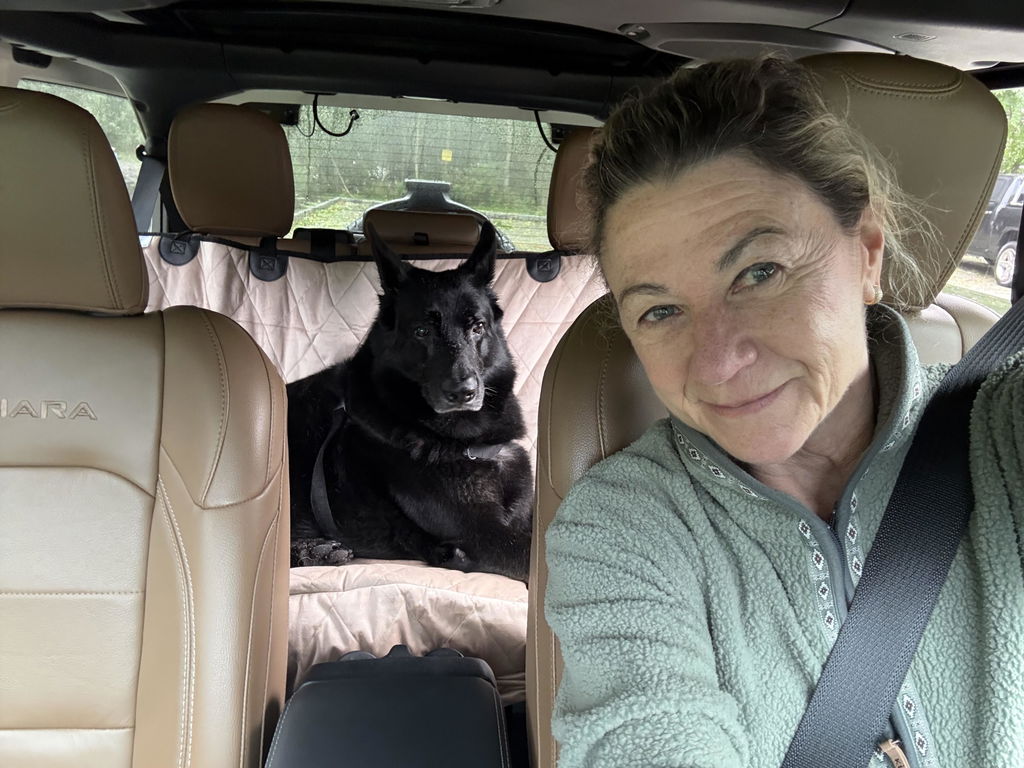

Pet travel insurance is worth it if your trip costs are mostly nonrefundable, your itinerary has flights or tight connections, or you’re traveling with a pet that might need unexpected veterinary care away from home. To decide if pet travel insurance is worth it, compare what the policy covers (and excludes), the claim limits, and what you could comfortably pay out of pocket.
Travel gets complicated when you bring a pet
When you’re traveling with a pet, there’s a lot to plan for. There’s the weather, delays, motion sickness, stress, last-minute illnesses, and the reality of emergency vet care costs. Add in nonrefundable reservations and airline disruptions, and it’s easy to see why pet travel insurance has become a popular search.
Still, not every plan helps in the moments that actually happen. Some policies only cover certain pet-related cancellation reasons, some reimburse costs after you pay upfront, and many exclude pre-existing conditions. This breakdown walks you through what coverage typically includes, what to watch for, and whether pet travel insurance is worth it for your next trip.
Table of contents
Travel gets complicated when you bring a pet
How to decide if pet travel insurance is worth it
When you use pet travel insurance
Benefits of pet travel insurance
Data and research insights to consider
Tools and products that make traveling with a pet easier
Travel smarter with Plush Paws Products
What pet travel insurance is and how it works
Pet travel insurance usually falls into one of two categories, and knowing which one you’re looking at prevents most confusion.
First, some traditional travel insurance plans include pet-related benefits or covered reasons — for example, trip cancellation if your pet has a sudden illness or reimbursement for extra kennel fees if you get delayed. Generali, for instance, explains how some plans reimburse pet kennel fees after certain delay thresholds, and it outlines how trip cancellation/interruption may apply in specific pet-related situations.
Second, people sometimes use the term to describe coverage for veterinary expenses while traveling, which may look more like short-term “travel medical for pets” or a feature within a broader pet insurance plan. The catch is that these options vary widely, and many work on reimbursement after you pay the vet bill.
Here’s what the insurance often covers, depending on the plan:
-
Trip cancellation or interruption when a pet emergency qualifies as a covered reason
-
Travel delay benefits that help with extra boarding or kennel fees
-
Assistance services, like help locating a vet or coordinating pet care
Here’s what it often does not cover:
-
Pre-existing conditions and chronic issues that started before the policy or outside the plan’s rules
-
Routine care (wellness exams, vaccines, grooming)
-
“I changed my mind” cancellations unless you have special upgrades like Cancel For Any Reason (and those upgrades still have rules)
Always read the exclusions first. They determine whether the policy helps in the scenario you’re most likely to face.

How to decide if pet travel insurance is worth it
1. List your trip risks before you shop
A refundable hotel stay isn’t the same risk as a nonrefundable flight, rental car, or activities. Travel seasons with frequent disruptions also raise your risk when you’re traveling with a pet.
2. Identify your pet’s risk factors
Age, anxiety, sensitive stomachs, and recurring issues increase the odds of needing a vet while away. If an unexpected bill would hurt, that’s a sign coverage may help.
3. Decide what you need covered — and what you don’t
Choose priorities such as cancellation due to pet illness, delay-related boarding costs, or emergency vet care. Avoid paying for coverage you’re unlikely to use.
4. Compare plan types: pet benefits inside travel insurance vs standalone options
A travel insurance plan with pet benefits may be enough for trip protection. A pet-focused option may be a better fit if vet costs are your main concern.
5. Check caps, waiting periods, and documentation rules
Look at limits, reimbursement percentage, waiting periods, and what documents you must submit. Claims often fail due to missing itemized receipts or vet notes.
6. Do a quick break-even calculation
Compare the premium to what you could lose if you cancel or get delayed. If the premium feels small next to your nonrefundable costs, it may be worth it.
7. Buy early enough to qualify
Some benefits require purchase within a short time after your first trip payment. Waiting may reduce or remove key protections.
When you use pet travel insurance
Your dog gets sick two days before departure
This is the classic “I can’t go” moment. Some policies treat sudden illness or injury of a pet as a covered reason for cancellation, but it must meet the plan’s definition and documentation requirements. IMGlobal notes that travelers should review whether a pet emergency qualifies as a covered reason and stresses the importance of carefully reading plan documents.
If your trip is mostly nonrefundable, this is one of the strongest arguments that pet travel insurance is worth it. It can be “yes,” because you’re protecting money you’ve already committed.
An unexpected emergency vet visit while away
Emergency visits can be expensive, and the range can surprise people. CareCredit notes a national average emergency exam cost for dogs of $96 to $236, with total emergency costs often rising significantly depending on diagnostics and treatment. If your plan covers emergency vet care during travel, verify the reimbursement caps and what “emergency” means.
If it doesn’t cover vet costs directly, trip delay or interruption benefits might still help with lodging or boarding costs in certain circumstances. Still, those benefits often require specific trigger events.
You’re delayed and can’t pick up your dog from boarding on time
This is a practical situation where pet-related benefits in travel insurance can matter. Some plans offer a “pet kennel” benefit for extra boarding costs after a delay. Travel Insured describes a pet kennel benefit with a stated maximum, per-day limits, and a delay threshold. Generali similarly determines reimbursement eligibility based on the length of the delay, depending on the plan tier.
If you use boarding regularly for trips, this is one of the clearest “use cases” for pet travel insurance.
Airlines cancel flights, connections fall apart, and your schedule collapses
Even if your pet doesn’t need care, a travel disruption can trigger extra costs — and bigger problems if you’re traveling with a pet and have limited lodging options. The DOT publishes Air Travel Consumer Reports that include cancellation and on-time performance data, which help explain why many travelers prioritize delay and cancellation coverage.
If your itinerary includes multiple flights or tight connections, trip protection can be more valuable than it looks on paper.
Benefits of pet travel insurance
Pet travel insurance does more than reimburse costs. It can give you flexibility and help you make calmer, faster decisions when plans change.
It helps by:
-
Protecting nonrefundable trip costs when a pet-related issue forces you to cancel or cut a trip short
-
Reducing surprise expenses tied to delays, rebooking, or boarding in covered situations
-
Making it easier to choose what’s best for your pet without feeling pressured to “go anyway”
It tends to be most useful when you have nonrefundable bookings, complex itineraries, preparations for longer trips, higher-disruption travel seasons, or a pet whose health makes last-minute changes more likely. If you’re still weighing whether pet travel insurance is worth it, it usually matters more as trips get more expensive and less flexible.

Common mistakes to avoid
The most common mistake is assuming all policies cover the same pet issues. They don’t. Many people buy a plan and only later realize their situation falls under an exclusion, or the benefit cap is too low to matter.
Avoid these pitfalls:
-
Treating pet insurance and pet travel insurance as the same product
-
Ignoring exclusions and pre-existing condition definition
-
Forgetting to save itemized receipts, vet notes, and proof of delays
-
Not checking maximum payout amounts and per-incident limits
-
Waiting too long to buy and missing eligibility windows
-
Overlooking how pet-friendly lodging limitations affect disruptions when traveling with a pet
Data and research insights to consider
Use these numbers to double-check what you’re protecting and what a “bad day” could cost:
-
Travel insurance costs a small percentage of your trip total. Forbes Advisor estimates an average range of 4% to 6% of trip costs.
-
Emergency vet exam costs vary, even before treatment begins. As we mentioned earlier, CareCredit reports that the national average emergency exam for dogs is $96 to $236.
Tools and products that make traveling with a pet easier
Insurance helps cover costs, but comfort and planning prevent many problems in the first place.
Keep a “pet travel folder” on your phone with vaccination records, microchip info, a recent photo, and a list of emergency vets at your destination. Add a simple receipt folder so you can document expenses quickly if you need to file a claim.
In the car, reduce stress and keep things tidy with a dedicated travel setup: water, wipes, waste bags, a towel, and a protective layer that keeps your dog stable and your interior clean. This is where seat protection becomes part of risk management, because a calmer dog tends to travel better and needs fewer unplanned stops.
FAQs
What does pet travel insurance usually cover?
Many plans cover pet-related trip cancellations, travel delays that result in extra boarding costs, and assistance services. Coverage varies, so always confirm what triggers benefits and what documents you must provide.
Is pet travel insurance worth it for short weekend trips?
Sometimes. If your costs are refundable and you handle a surprise vet visit, you may skip it. If your weekend is nonrefundable or involves flights, pet travel insurance is more likely to be worth it.
Does the insurance cover pre-existing conditions?
Often, no. Most policies exclude pre-existing conditions or restrict coverage based on when symptoms started. Read the plan definition carefully and ask questions before you buy.
Can I buy pet travel insurance after I book my trip?
Usually yes, but buying later may reduce benefits or eliminate certain protections tied to early purchase windows. If you want the fullest coverage options, buy soon after your first trip payment.
What documents do I need to file a claim?
Expect to need itemized receipts, proof of payment, proof of travel delay or cancellation, and veterinary documentation if the claim involves your pet’s health. Claims go smoother when you keep everything organized from day one.

Travel smarter with Plush Paws Products
The real answer to “is pet travel insurance worth it?” depends on your trip’s flexibility, your pet’s health, and how much financial risk you want to carry. If you’re booking nonrefundable travel or flying with a pet, pet travel insurance reduces stress by protecting you from expensive surprises. Pair coverage with smart preparation, and your next trip will feel far more manageable.
If you’re traveling with a pet by car to the airport, a hotel, or a weekend getaway, Plush Paws Products help you keep rides cleaner and calmer.